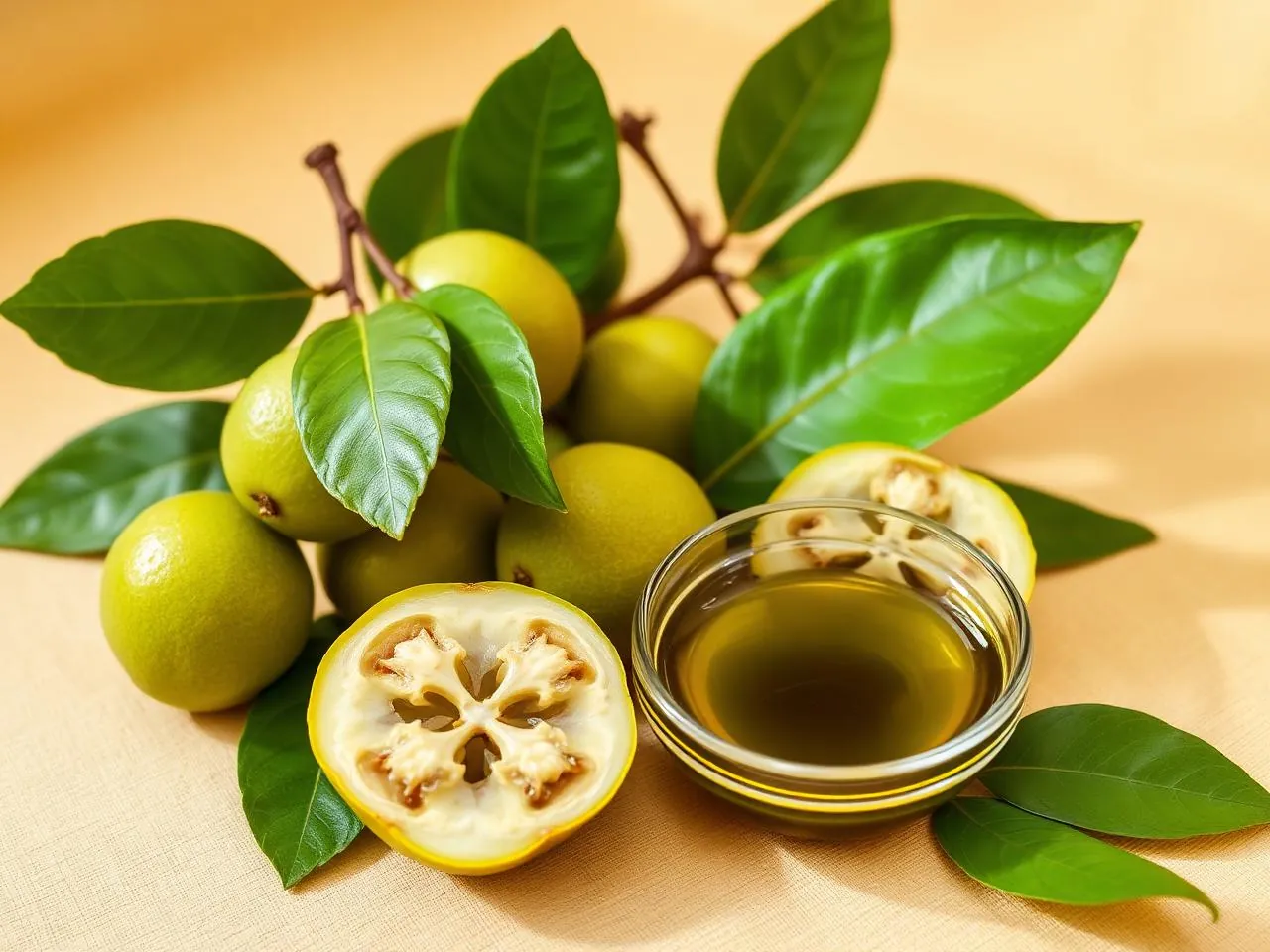
Taramira Oil: Benefits for Hair Growth and Scalp Health
Taramira oil. cold-pressed from the seeds of Eruca sativa, the same plant known as arugula or rocket. is one of the oldest hair oils used across Pakistan, India and the Middle East. For generations, families have reached for taramira to slow shedding, strengthen thinning hair and calm an irritated scalp. Modern research is finally catching up to what grandmothers already knew: taramira is exceptionally rich in erucic acid, oleic acid and natural sulphur compounds, all of which target the exact conditions that cause hair fall in our climate. This guide breaks down what taramira actually does for hair, why it works so well in Pakistan specifically, and how to use it without weighing your hair down.
What is taramira oil?
Taramira (also spelled tara mira or taramira) is a cold-climate crop grown widely in Punjab and Sindh. The oil pressed from its seeds is dark yellow to amber, has a sharp, mustard-like aroma, and is traditionally used both in cooking and in hair care. Unlike heavily refined oils, cold-pressed taramira retains its natural antioxidants and antimicrobial compounds. which is exactly what makes it useful on the scalp.
The main benefits of taramira oil for hair
Taramira does not do just one thing well. It works on the shaft, the scalp and the follicle at the same time, which is why it earned its place in traditional hair care long before ingredient lists existed.
1. Supports natural hair growth
Taramira's warming, slightly stimulating action improves circulation to the scalp when massaged in. Better circulation means more oxygen and nutrients reaching the follicle. the same principle behind why rosemary and mustard oil are effective. Users typically report reduced shedding within four to six weeks of consistent use.
2. Strengthens the hair shaft
The oil is rich in erucic and oleic fatty acids, which coat the shaft and reduce protein loss during washing. That translates to less breakage, less split-end formation and hair that feels denser at the mid-lengths. especially useful for hair that has been damaged by hard water or heat styling.
3. Calms an irritated, flaky scalp
Taramira contains natural sulphur compounds and glucosinolates with mild antimicrobial and anti-inflammatory activity. In practice this means fewer flakes, less itch, and a scalp environment where new hair has a fair chance to grow.
4. Adds shine without heaviness
Because taramira is a medium-weight oil, it smooths the cuticle and reflects light without sitting on the strand like heavier coconut or castor oil. It's a good choice for people who have tried oiling before and disliked how greasy their hair felt afterwards.
Why taramira works so well in Pakistan
Three things make hair in Pakistan hard to grow: mineral-heavy tap water, extreme summer sweat and winter smog. Taramira addresses all three. Its cuticle-smoothing fatty acids counter hard-water dullness, its antimicrobial activity handles sweat and pollution build-up, and its warming action helps push blood flow into follicles that have been sluggish from stress or nutrient deficiency. It is one of the few traditional oils in the region designed for exactly the conditions we live in.
How to use taramira oil the right way
Taramira is powerful, so it works best diluted in a light carrier and used consistently rather than aggressively. Here is a simple weekly ritual:
- Warm a small amount of taramira-based hair oil between your palms.
- Part your hair in rows and apply directly to the scalp. not the lengths first.
- Massage with your fingertips for three to five minutes, never with your nails.
- Leave the oil on for at least one hour, or overnight on a towel-covered pillow.
- Wash with a gentle, sulphate-free shampoo. Usually one rinse is enough.
- Repeat two to three times a week and give it a full growth cycle (three months) before judging results.
Who should (and shouldn't) use taramira
Taramira suits most hair types, especially thinning, weak or slow-growing hair. Its warming quality makes it a favourite in winter. People with very sensitive scalps or a known mustard-family allergy should patch-test first, and pregnant women should check with a doctor before starting any new botanical routine.
How Dermyra formulates taramira into a real routine
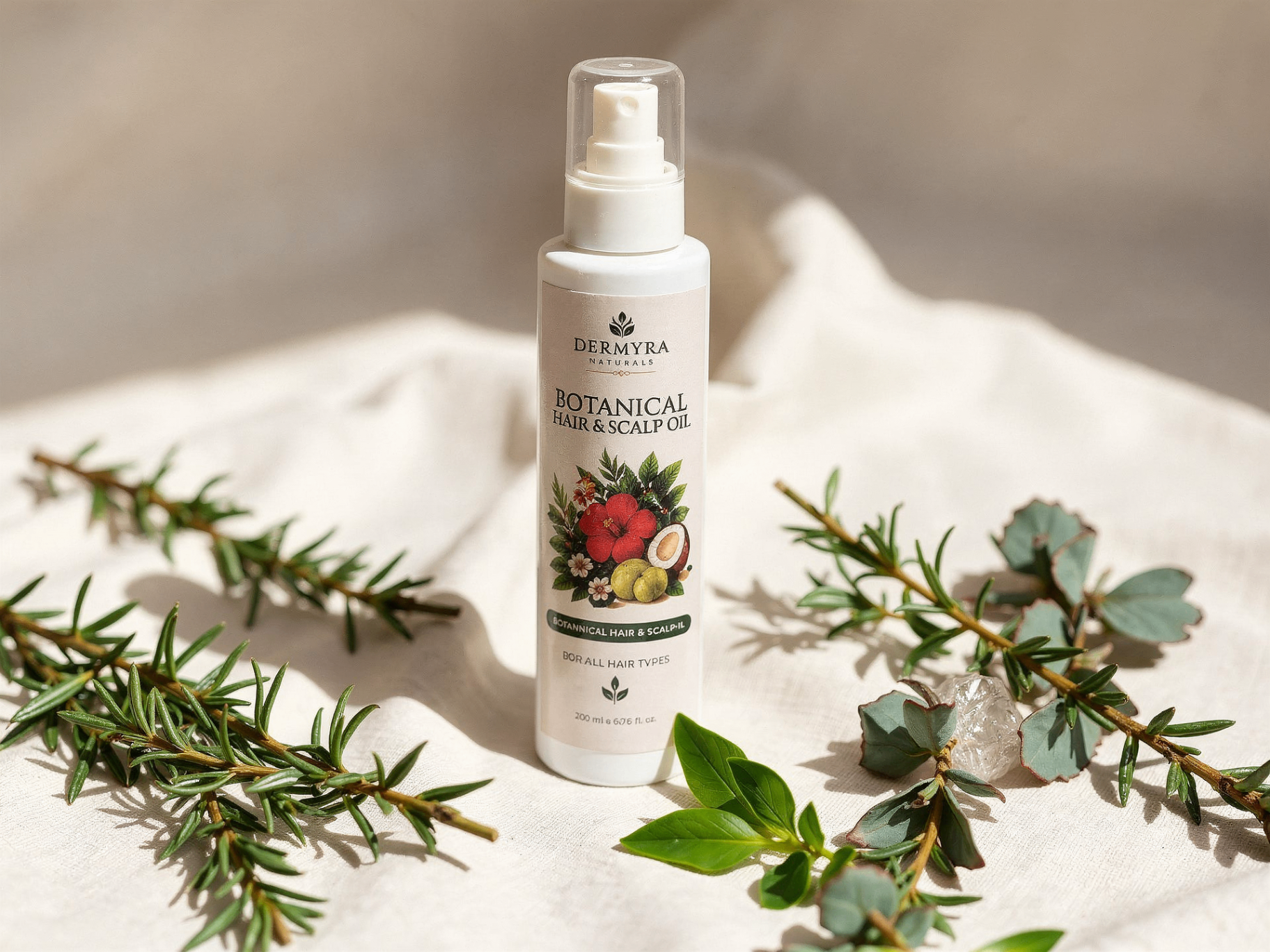
In Dermyra Botanical Hair & Scalp Oil, taramira sits alongside rosemary, amla, bhringraj, black seed and 20+ other botanicals in a cold-pressed carrier blend that is light enough to rinse out in a single shampoo. Taramira on its own can feel intense; blended carefully, it becomes one of the quiet workhorses of the formula. supporting growth and calming the scalp without weighing hair down.
Conclusion
Taramira oil is one of the most underrated botanicals for hair in Pakistan. a traditional remedy with real fatty-acid science behind it. Used consistently in a well-formulated blend like Dermyra Botanical Hair & Scalp Oil, it supports growth, strengthens the shaft and keeps the scalp calm through every season.
How Dermyra oil supports this routine
A routine only works if the oil behind it can do the job. Dermyra hair oil is a 28-botanical, cold-pressed blend made for Pakistani conditions: hard water, heat, dust and the weekly champi habit most households already keep.
As a hair fall hair oil it concentrates rosemary, amla and bhringraj at the scalp, where shedding is actually decided. As a dandruff hair oil it avoids the heavy paraffin bases that trap flakes and sweat against the skin. And as an everyday hair oil in Pakistan it is deliberately light, so 5 to 15 ml per session is genuinely enough.
If you are comparing options for the best hair oil in Pakistan, compare ingredient lists side by side — that comparison is the reason Dermyra oil exists.
Frequently asked questions
What are the main benefits of taramira oil for hair?+
Taramira oil supports hair growth, strengthens the shaft, reduces breakage, calms flaky or irritated scalps and adds a light shine. thanks to its erucic acid, oleic acid and natural sulphur compounds.
Can taramira oil regrow hair?+
Taramira improves scalp circulation and reduces shedding, which supports new growth in follicles that are still active. It works best consistently over three months alongside a healthy diet and gentle wash routine.
How often should I use taramira oil?+
Two to three times a week is ideal for most hair types. Daily use can feel heavy and encourage build-up, especially in Pakistan's warm, humid climate.
Is taramira oil safe for a sensitive scalp?+
Yes for most people, but taramira is warming, so patch-test first on the inner arm. In a well-formulated blend it sits at a safe concentration and rarely irritates.
Does taramira oil have a strong smell?+
Pure cold-pressed taramira has a sharp, mustard-like aroma. When blended with other botanicals like rosemary, amla and bhringraj in a proper hair oil, the smell becomes warm and herby rather than pungent.