
Benefits of Amla for Hair: Tradition, Evidence and How to Use It
Summary
- Amla is rich in vitamin C, tannins and polyphenols that fight oxidative stress on the scalp.
- Traditional use for centuries in South Asia, but human clinical evidence is thin, mostly small or in-vitro studies.
- Fresh amla, dried powder, infused oil and standardized extract behave differently, choose based on your goal.
- Amla oil is best used as a warm scalp massage 2-3 times a week, left on 1-2 hours or overnight.
- It will not regrow hair on its own but pairs well with rosemary, bhringraj and a proper routine.
- Patch test first, amla can be drying for very porous or chemically treated hair if overused.
- Buy cold-pressed or slow-infused oil, not mineral-oil-based products with amla listed last on the label.
What Amla Actually Is
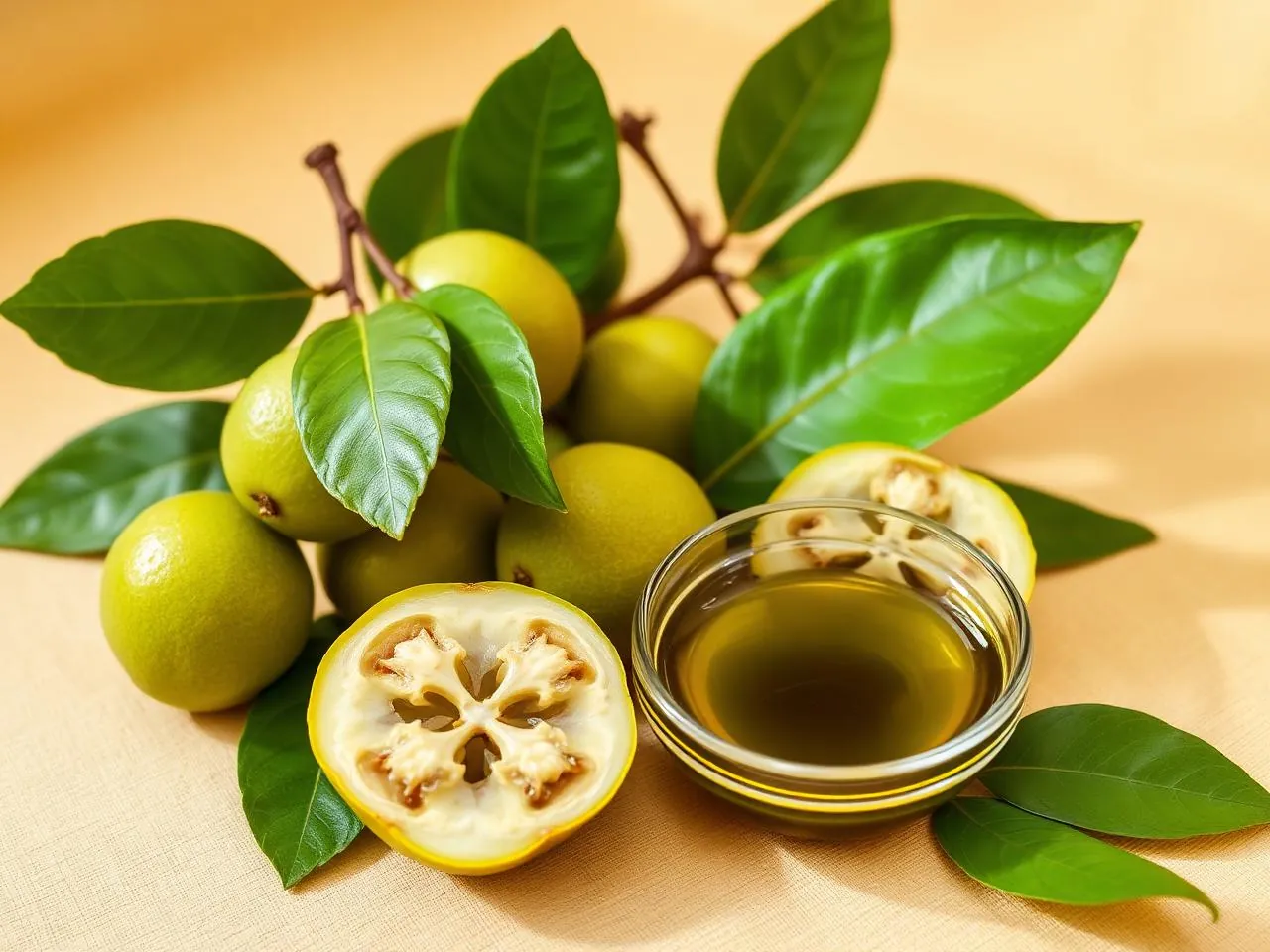
Amla, or Phyllanthus emblica, is a small sour-tangy fruit that grows across Pakistan, India and parts of Southeast Asia. In Rawalpindi and Peshawar markets you will see it sold fresh in winter, and dried or powdered year-round from spice shops. It has been part of South Asian hair care for generations, usually boiled into oil, mixed into hair masks, or eaten for general health under the belief that what is good for digestion is good for hair.
The fruit is unusually high in vitamin C for something so small, along with tannins, gallic acid and various polyphenols. These compounds are antioxidants, meaning they neutralise free radicals that would otherwise damage cells, including the cells in your hair follicles and scalp skin. That is the core of amla's reputation, not magic, just a dense antioxidant profile combined with centuries of habitual use.
Why People Reach for Amla in the First Place
Ask any grandmother in Lahore why she used amla oil and the answer is rarely scientific. It was what was available, it smelled clean, and it seemed to make hair feel thicker and darker over time. That intuition is not baseless. Oxidative stress on the scalp, made worse by pollution, hard water and sun exposure, is now understood by researchers to play a role in premature greying and follicle miniaturisation. Amla's antioxidant load addresses part of that picture, even if it was not originally framed in those terms.
There is also a texture effect people notice quickly. Amla has mild astringent, tannin-rich properties that can tighten the scalp surface and reduce excess oil, which is part of why oily-scalp households in Karachi's humid climate favour it in summer. It also coats the hair shaft slightly, adding shine and reducing the frizz that Karachi humidity or Lahore smog residue can cause.
What the Research Actually Shows
Honesty matters here. Most amla research is either in-vitro (in a lab dish, not on real scalps) or small human trials, often combined with other herbs, which makes it hard to isolate amla's individual effect. A few lab studies from the 2010s looked at emblica extract and 5-alpha reductase, the enzyme linked to androgenetic hair thinning, and found some inhibitory activity in cell models. That is promising as a mechanism, not proof that rubbing amla oil on your head will stop DHT-driven thinning.
A handful of small clinical studies, some from Indian dermatology journals in the 2010s, tested Ayurvedic formulations containing amla alongside other herbs for hair fall and reported improvements in hair density and reduced shedding over 3 to 6 months. These are useful data points but they are multi-ingredient studies, not amla-only trials, and sample sizes are typically under 100 participants. There is no large randomised controlled trial isolating amla oil against a placebo for hair growth in the way there is, for instance, for minoxidil.
So the fair conclusion is: amla has a plausible biological mechanism (antioxidant protection, some anti-inflammatory activity, mild 5-alpha reductase interaction in lab settings) and a long safety record, but it is not clinically validated as a standalone hair-growth treatment the way certain pharmaceutical options are. Treat it as a supportive ingredient, not a solution for sudden or patchy hair loss, which should always be checked by a dermatologist.
Fresh, Powder, Oil or Extract: Which Form Actually Works Best
Amla is sold in at least four common forms and they are not interchangeable. Here is how they actually compare for hair use, based on how the active compounds hold up and how practical each is for a home routine.
| Form | Active compound strength | Best use case | Practicality |
|---|---|---|---|
| Fresh amla fruit | Highest vitamin C and polyphenol content, but degrades within days | Boiling into homemade oil or blending into a hair mask same-day | Low, seasonal availability and short shelf life |
| Dried amla powder | Moderate, vitamin C drops on drying but tannins remain stable | DIY hair masks mixed with yogurt, egg or reetha; hair rinses | High, cheap and widely sold in Pakistani grocery and attar shops |
| Amla-infused oil (cold or slow infused) | Moderate, lipid-soluble compounds transfer into the oil base | Regular scalp massage, leave-in oiling routine | High, this is the most practical form for weekly use |
| Standardized amla extract (capsule or serum) | Concentrated and consistent dose, often used in supplements or premium serums | Oral supplementation for overall antioxidant support, or in serums layered under oil | Medium, more expensive and less common on local shelves |
Which one should you actually buy
For most people managing hair fall or dullness at home, a well-made amla-infused oil is the most practical choice. It is stable, easy to apply consistently, and does not require you to prepare anything fresh. Powder is a good cheap add-on for occasional masks, but it will not replace the convenience of oil for a twice-weekly routine.
How Amla Interacts With Your Scalp
A healthy scalp is the foundation for any hair growth strategy, and this is really where amla earns its place. Its mild antimicrobial activity, documented in several lab studies against common scalp bacteria and fungi, may help with mild dandruff or an itchy scalp that is not caused by a diagnosed skin condition. Its astringent quality also helps regulate sebum, which matters if you live somewhere humid like Karachi or Hyderabad where oil buildup speeds up between washes.
For dry, flaky scalps common in Islamabad and Murree winters, amla oil combined with a heavier carrier like sesame or almond oil can reduce flaking without the dryness rebound that harsh anti-dandruff shampoos sometimes cause. It will not fix seborrheic dermatitis or fungal infections requiring medical treatment, so if flaking is severe, red, or persistent, see a dermatologist rather than relying on oiling alone.
Does Amla Actually Reduce Hair Fall
This is the question most people care about, and the honest answer is: it can help as one piece of a broader routine, but it is not a standalone fix. Hair fall has many causes, iron deficiency, thyroid issues, post-partum shedding, stress, harsh styling, and traction from tight braiding are all common in Pakistani households and none of them respond to amla oil alone. What amla can do is reduce some of the oxidative and inflammatory load on the scalp, which is one contributing factor among several.
If your hair fall is sudden, patchy, or comes with scalp pain, redness or bald spots, that is a signal to see a dermatologist rather than experiment with oils for months. For diffuse, gradual thinning tied to stress, styling habits, or general scalp health, a consistent oiling routine that includes amla alongside rosemary and bhringraj, combined with gentler hair habits, is a reasonable and low-risk approach to try for 3 months before judging results.
Amla and Premature Greying
This is one of amla's oldest reputations in Ayurvedic and Unani practice, that regular use delays greying. The mechanism proposed is that oxidative stress accelerates the death of melanocytes, the pigment cells in hair follicles, and antioxidants like amla's vitamin C and polyphenols may slow that process. There is no strong clinical trial confirming amla reverses or meaningfully delays greying in humans. Genetics is the dominant factor in when hair turns grey, and no topical product changes that timeline dramatically. What amla oil can realistically do is support overall follicle health, which is a reasonable, modest claim rather than the bold "no more grey hair" promises seen on some product labels.
How to Actually Use Amla Oil at Home
- Warm a small amount of amla-infused oil between your palms or in a bowl over hot water for 20-30 seconds, it should be warm, not hot.
- Section your hair and apply the oil directly to the scalp using fingertips, not nails, working in small circular motions.
- Massage for 5-10 minutes to improve blood flow, then run the remaining oil through the lengths to add shine and reduce frizz.
- Leave it on for at least 1-2 hours, or overnight with a towel over your pillow if your scalp tolerates it well.
- Wash out with a mild sulfate-light shampoo, you may need two rounds of shampoo to fully remove oil, especially with hard water common in many Pakistani cities.
- Repeat 2-3 times per week for at least 8-12 weeks before judging whether it is working for you.
Amla oiling routine checklist
- Patch test on inner arm or behind ear 24 hours before first scalp use
- Use lukewarm, never hot, oil to avoid burns or scalp irritation
- Massage gently with fingertips, avoid aggressive scratching with nails
- Leave on at least 60-90 minutes for the oil to actually penetrate
- Wash with a mild shampoo, rinse thoroughly especially with hard water
- Track progress with monthly photos, not day-to-day judgement
- Pause and consult a dermatologist if you notice increased shedding or irritation
DIY Amla Oil vs Buying a Ready-Made Blend
Making amla oil at home by boiling dried pieces in coconut or sesame oil is common across Pakistani households, and it works reasonably well if done with clean, dry amla and stored properly. The downside is inconsistency, home batches vary in strength, can go rancid faster without preservatives, and rarely include the range of complementary botanicals that make a difference in a full routine. A well-formulated commercial blend that combines amla with rosemary, bhringraj and other actives in a stable carrier oil base saves time and tends to be more consistent batch to batch, which matters when you are trying to judge results over months.
Amla in Your Diet vs on Your Scalp
Amla is also eaten as a fruit, juice, or in murabba (a sweet preserve popular in Punjab) for general health, including claims about hair. Vitamin C does play a genuine role in collagen synthesis and iron absorption, both relevant to hair health indirectly, especially since iron-deficiency anemia is a well-documented cause of hair thinning in Pakistani women. Eating amla or taking a vitamin C supplement will not directly oil your scalp, but it can support the internal nutritional side of hair health, which topical oil alone cannot address. Think of diet and topical oiling as two separate levers, not substitutes for each other.
Who Should Be Careful With Amla
Amla is generally very safe for topical use, it has been used on skin and hair for centuries with a strong safety record. That said, its astringent, slightly acidic nature can be drying for very porous, chemically treated, or bleached hair if used too frequently or left with too little carrier oil dilution. People with very dry, brittle strands should pair amla with a heavier moisturising oil like castor or argan rather than using amla powder masks alone, which can feel stripping.
If you have broken or irritated scalp skin, wait until it heals before applying any oil, including amla, since the tannins can sting on open skin. As with any new topical ingredient, patch test first, and stop use if you notice unusual redness, itching or breakouts along the hairline.
Amla for Hair: The Honest Pros and Cons
What amla genuinely does well
- Strong, well-documented antioxidant profile that supports scalp health
- Long safety record across centuries of traditional use
- Helps with mild oiliness, adds shine and reduces surface frizz
- Affordable and widely available in Pakistan in multiple forms
- Pairs well with other actives like rosemary and bhringraj in a routine
Where it falls short
- No large-scale clinical trial proves it regrows hair on its own
- Effects are gradual, expect weeks not days to notice a difference
- Can be drying for damaged or chemically treated hair if overused
- Home-brewed versions vary widely in strength and freshness
- Will not address hair loss caused by medical or hormonal conditions
Amla vs Bhringraj vs Rosemary: How They Differ
People often ask which single herb to pick, but the more useful framing is what each one is best at. Amla leans toward antioxidant and scalp-conditioning benefits with mild sebum control. Bhringraj, sometimes called the king of herbs in Ayurveda, has a stronger traditional reputation specifically for hair growth and is often used for thinning and premature greying. Rosemary has the most modern clinical backing among the three, with a well-cited 2015 study comparing it favourably to low-dose minoxidil for hair count over six months. Using them together, which is exactly what a well-formulated multi-botanical oil does, covers more ground than relying on any single ingredient.
See how amla fits into a complete routine
Dermyra's Rosemary Hair Growth Oil blends amla and bhringraj with rosemary and 28 other botanicals in a single cold-pressed base, so you are not juggling five different bottles.
What to Check Before Buying an Amla Product
Not every bottle labelled with amla on the front actually contains a meaningful amount. Check the ingredient list, if amla oil or amla extract sits near the bottom after mineral oil and fragrance, it is likely a token amount added for marketing. Look for products that state cold-pressed or slow-infused processing, since heat and cheap extraction can degrade the more fragile active compounds. Price is a rough signal too, a 100ml bottle priced far below the cost of raw amla plus a quality carrier oil is a red flag for dilution or synthetic filler.
On Daraz and in local pharmacies, you will find everything from PKR 250 mass-market amla oils to PKR 1500 plus formulated blends. The cheaper end usually means mineral oil base with a trace of amla fragrance. Mid to premium options with cold-pressed carrier oils and multiple actives tend to deliver more consistent results, even if the upfront cost is higher, simply because you are getting a functional concentration of the ingredients rather than a marketing label.
A Realistic Timeline for Results
Hair grows slowly, roughly 1 to 1.5 centimetres a month, and any topical routine needs at least one full growth cycle to show visible change. In the first 2 to 3 weeks of consistent amla oiling, expect improved scalp comfort and shine, that is the antioxidant and moisturising effect kicking in early. By 8 to 12 weeks, if hair fall was tied to scalp condition rather than an internal medical cause, you may notice less shedding during washes and a slight improvement in new growth along the hairline. By 4 to 6 months, judge overall density and texture in photos taken under the same lighting. If you see no change at all by then, it is worth checking for underlying causes like thyroid function or iron levels rather than continuing to increase oiling frequency.
Not sure where amla fits in your routine
Read our full guide on building a weekly hair oiling routine, or explore Dermyra's product page to see the complete ingredient breakdown.
Final Thoughts on Amla
Amla deserves its place in South Asian hair care, not because it is a miracle cure but because it is a genuinely useful, low-risk ingredient with real antioxidant activity and a long track record. Used consistently, in a decent carrier oil, alongside other actives and reasonable hair habits, it is a sensible part of a routine. Used alone with unrealistic expectations of reversing years of thinning in a few weeks, it will disappoint. Treat it as one solid tool among several, not a solution by itself.
Keep reading
Frequently asked questions
Can amla regrow hair on bald patches
No, amla is not proven to regrow hair in bald or fully bald patches, especially those caused by scarring, autoimmune conditions like alopecia areata, or advanced androgenetic hair loss. It is better suited to supporting scalp health and reducing gradual shedding tied to oxidative stress. Sudden or patchy bald spots need a dermatologist's evaluation, not just an oiling routine.
How long does amla oil take to work
Most people notice improved scalp comfort and shine within 2 to 3 weeks of consistent use. Actual reductions in shedding or visible improvements in density typically take 8 to 12 weeks of regular application, at least 2 to 3 times a week. Give it a full 3 month cycle before deciding whether it works for you, since hair growth is inherently slow.
Can I use amla oil every day
You can, but it is not necessary and may not be practical given the washing required afterward. Most people get good results applying amla oil 2 to 3 times a week, leaving it on for a few hours or overnight, then washing thoroughly. Daily use is more common with lighter leave-in amla serums rather than a full oil application.
Is amla good for oily scalps
Yes, amla's mild astringent and sebum-regulating properties make it a good fit for oily scalps, which are common in humid cities like Karachi. It helps balance oil production without stripping the scalp the way harsh clarifying shampoos can. Pair it with a lighter carrier oil rather than a very heavy one if your scalp tends to get greasy fast.
Does amla darken hair or prevent greying
Traditional use suggests amla may support pigment-producing cells through its antioxidant activity, but there is no strong clinical proof it reverses or significantly delays greying in humans. Greying is largely genetic. Amla may offer modest supportive benefits to overall follicle health, but do not expect it to restore natural colour once hair has already turned grey.
Can I mix amla powder with other ingredients for a hair mask
Yes, amla powder mixed with yogurt, egg, reetha (soap nut) or aloe vera gel is a common and generally safe DIY hair mask across Pakistani households. Mix to a smooth paste, apply to scalp and lengths, leave for 30-45 minutes, then rinse. Patch test first if you have sensitive skin, since reactions to natural masks do happen occasionally.
Is amla oil safe during pregnancy
Topical amla oil is generally considered safe during pregnancy since it is not absorbed systemically in meaningful amounts. As with any new product, do a patch test and check with your doctor if you have any skin conditions or sensitivities. Avoid ingesting large concentrated amla supplements without medical guidance during pregnancy.
Why does amla oil sometimes smell strange
Amla oil has a naturally earthy, slightly sour scent from the tannins and fruit acids, which some people find unfamiliar compared to perfumed commercial oils. If a bottle smells rancid or sharply chemical rather than earthy, that suggests oxidation or poor-quality processing, and it is better to stop using it and check the batch date.
How does amla compare to bhringraj for hair fall
Amla is stronger on antioxidant and scalp-conditioning benefits, while bhringraj has a more specific traditional reputation for hair growth and reducing premature greying. Neither has robust large-scale clinical trials proving standalone efficacy, but both have long traditional use and plausible mechanisms. Many formulators combine both rather than choosing one over the other.
Can amla oil cause hair fall instead of reducing it
Amla oil itself is unlikely to cause hair fall, but overly vigorous massage, nails scratching the scalp, or an allergic reaction in sensitive individuals could contribute to irritation and shedding. If you notice increased hair fall after starting amla oil, stop use, check for a reaction, and consult a dermatologist if shedding continues.
The bottom line
Amla is a genuinely useful, low-risk ingredient with real antioxidant benefits for scalp health, backed by centuries of traditional use and a growing but still limited body of scientific support. It is not a miracle cure and will not undo years of thinning in a few weeks, but as part of a consistent routine, especially alongside herbs like bhringraj and rosemary, it earns its long-standing reputation. Choose a well-processed oil or powder, use it consistently for at least 8 to 12 weeks, and pair it with realistic expectations and, where needed, a dermatologist's input.
How Dermyra oil supports this routine
A routine only works if the oil behind it can do the job. Dermyra hair oil is a 28-botanical, cold-pressed blend made for Pakistani conditions: hard water, heat, dust and the weekly champi habit most households already keep.
As a hair fall hair oil it concentrates rosemary, amla and bhringraj at the scalp, where shedding is actually decided. As a dandruff hair oil it avoids the heavy paraffin bases that trap flakes and sweat against the skin. And as an everyday hair oil in Pakistan it is deliberately light, so 5 to 15 ml per session is genuinely enough.
If you are comparing options for the best hair oil in Pakistan, compare ingredient lists side by side — that comparison is the reason Dermyra oil exists.
Keep reading
- Benefits of Bhringraj for HairThe other cornerstone Ayurvedic herb, compared side by side with amla.
- Rosemary Oil for Hair GrowthThe clinically studied botanical that pairs well with amla.
- Hair Oiling Routine GuideHow to build a realistic weekly oiling schedule.
- Hair Fall Treatment OptionsA broader look at causes and evidence-based treatments.
- Ingredients LibraryFull breakdown of every botanical Dermyra uses.
- Shop Dermyra Rosemary Hair Growth OilSee the full formulation including amla and bhringraj.
- Concerns: Hair FallTargeted guidance if hair fall is your main concern.
One bottle, 28 botanicals
Dermyra Rosemary Hair Growth Oil brings rosemary, amla, bhringraj and black seed together in a cold-pressed base. Made in small batches in Pakistan.
Related guides
Benefits of Bhringraj for Hair: The King of Herbs, Examined
Bhringraj carries the biggest reputation of any Ayurvedic hair herb, sometimes called the king of herbs. Here is what actually backs that title, and what it does not.
Benefits of Black Seed Oil (Kalonji) for Hair and Scalp
Kalonji has a thousand-year head start in traditional medicine and a growing pile of lab studies on thymoquinone. Here is what actually holds up when you separate the folklore from the evidence, and how to use it on your scalp safely.
Botanical Hair Oil vs Chemical Hair Oil: An Honest Comparison
Botanical or chemical, natural or synthetic: the marketing language around hair oil gets more emotional than accurate. Here is a fair, ingredient-level comparison of what each type actually does for your hair.