
Best Hair Oil in Pakistan: How to Choose One That Actually Works
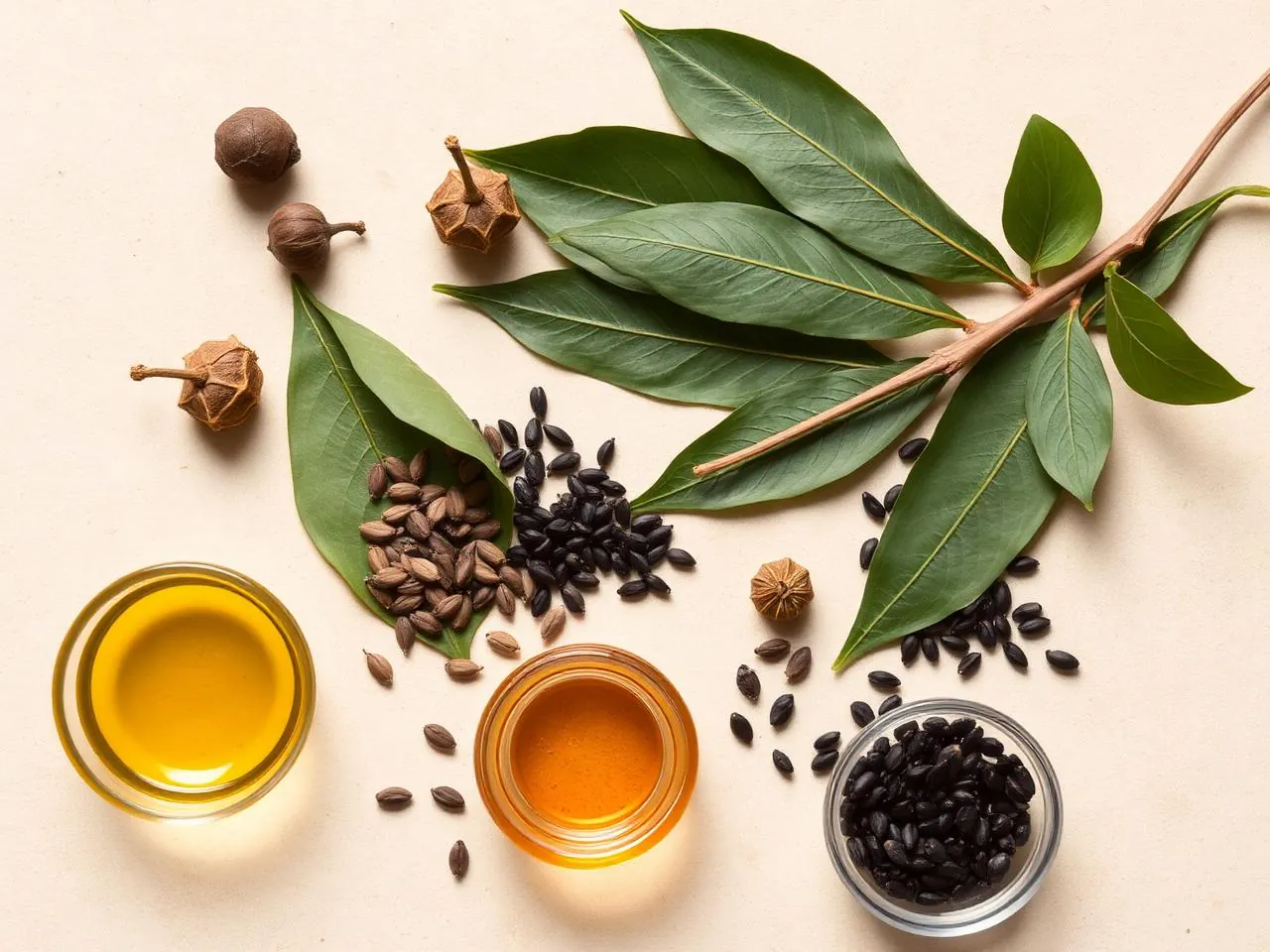
Summary
- There is no single "best" oil for everyone; skin type, water hardness and climate in your city all matter.
- Pure mustard and coconut oil are cheap and traditional but can feel heavy in Karachi or Lahore humidity.
- Castor oil thickens the oil and may help with breakage, but on its own it does very little for regrowth.
- Rosemary, amla and bhringraj have the most (though still limited) research behind them for shedding and thickness.
- Price in Pakistan ranges from under PKR 400 for basic mustard oil to PKR 3,500+ for imported or heavily formulated botanical blends.
- Read the ingredient list, not just the front label; many "herbal" oils on Daraz are mostly mineral oil with a trace of extract.
- A realistic 8-12 week trial, applied consistently 2-3 times a week, matters more than which single bottle you pick.
Why choosing a hair oil in Pakistan is so confusing
Walk into any general store in Lahore or scroll Daraz for ten minutes and you will see forty different "hair oils" claiming to stop hair fall, double thickness, or reverse balding in weeks. Some are pure mustard oil decanted into a fancy bottle. Some are genuinely formulated with active botanicals. Most sit somewhere in between, and the label rarely tells you which is which.
Add to that Pakistan's specific conditions, hard, mineral-heavy tap water in cities like Lahore and Rawalpindi, thick summer humidity in Karachi, dry cold winters in Islamabad and the north, and dust exposure almost everywhere, and it becomes clear why an oil that works for someone in London or Dubai may not behave the same way on your scalp here. This guide breaks the market down by category, price and what the actual evidence says, so you can pick with your eyes open rather than by whichever ad followed you around Instagram.
What hair oil can and cannot do
Before comparing brands, it helps to be honest about mechanism. Hair oil is not a drug. It does not penetrate the follicle and regrow dead hair. What a well-formulated oil can realistically do is: reduce friction and breakage during combing, add a protective lipid layer that limits protein loss from repeated washing (this is well documented for coconut oil specifically), soothe a dry or mildly irritated scalp, and in the case of a handful of actives like rosemary and caffeine, mildly improve local blood flow and follicle signalling based on small clinical trials.
What it will not do is fix hair fall caused by iron deficiency, thyroid problems, postpartum shedding, or genetic pattern baldness on its own. If your shedding is sudden, patchy, or comes with scalp pain, redness or scaling, that is a conversation for a dermatologist, not a shelf of oils. For ordinary seasonal shedding, breakage and dullness though, the right oil, used consistently, is a genuinely useful tool.
The main categories on Pakistani shelves
1. Pure mustard oil (sarson ka tel)
This is the oil most households already have in the kitchen. It is thick, pungent, rich in erucic acid, and has been used on scalps in Punjab and across South Asia for generations. It genuinely coats the hair shaft well and can feel warming on the scalp in winter. The downside is the smell lingers for a day or two even after two washes, and in Karachi's humidity it can feel greasy fast. There is very little formal clinical research on mustard oil specifically for hair growth; its reputation is traditional, not evidence-based, and that is worth saying plainly.
2. Coconut oil
Coconut oil is the best-studied carrier oil for hair. Because of its lauric acid content and small molecular size, it penetrates the hair shaft better than mineral oil or sunflower oil, which is why several studies (including older Indian research from the 1990s and 2000s) show it reduces protein loss from washing and combing. It is a solid base oil, especially for dry or damaged hair, but on its own it does not address hair fall or thinning; it is a conditioner, not a growth treatment.
3. Castor oil
Castor oil is thick, sticky and often sold as a miracle regrowth oil online, largely on the strength of anecdote and its ricinoleic acid content. The honest picture is that there is essentially no strong clinical trial showing castor oil regrows hair. What it likely does is make hair appear glossier and slightly reduce breakage because of its viscosity coating the strand, which some people mistake for new growth when it is really less shedding of existing hair. It is commonly blended into other oils at 10-20% rather than used neat, since undiluted it is hard to wash out and can clog pores on oily scalps.
4. Amla (Indian gooseberry) oil
Amla is one of the more researched Ayurvedic ingredients, high in vitamin C and polyphenols, and lab studies suggest it has antioxidant activity that may protect the follicle from oxidative stress, one of the contributing factors in premature greying and shedding. It is usually infused into a sesame or coconut base rather than sold as a standalone oil. It has a mild, slightly tart smell that most people find easier to live with than mustard oil.
5. Bhringraj oil
Called the "king of hair" in Ayurvedic texts, bhringraj (Eclipta alba) has some small animal studies (notably a widely cited 2008 rat study) suggesting it may support hair growth cycling, though human clinical evidence is thin. Traditionally it is valued for a cooling effect on the scalp, which many users in Karachi's hot months genuinely notice and appreciate, separate from any growth claim.
6. Rosemary oil and rosemary-infused blends
Rosemary has the most credible modern clinical backing of any botanical on this list, most notably a 2015 SKINmed trial that compared rosemary oil to 2% minoxidil over six months and found comparable improvement in hair count, with less scalp itching in the rosemary group. It is not a replacement for minoxidil in more advanced hair loss, but as a scalp-friendly, evidence-informed daily oil, it has become the most talked-about single ingredient in Pakistan's hair care conversation over the last two years.
7. Blended botanical oils
This is the fastest-growing category on Daraz and in salons: a cold-pressed carrier oil (often sesame, sweet almond or coconut) infused with several actives together, typically rosemary, amla, bhringraj, and sometimes black seed, fenugreek or neem. The logic is that no single ingredient does everything, so combining several at meaningful concentrations covers scalp comfort, antioxidant support and mild growth signalling in one bottle. Dermyra's Rosemary Hair Growth Oil, for example, combines rosemary with amla, bhringraj and 28 other botanicals in a cold-pressed base rather than relying on one ingredient alone. Quality varies a lot in this category though, so check concentration and base oil, not just the ingredient list.
Hair oil comparison table: types, price and best use in Pakistan
| Oil type | Typical price (PKR) | Best for | Evidence level | Watch out for |
|---|---|---|---|---|
| Pure mustard oil | 150 - 400 | Winter scalp warmth, thick coarse hair | Traditional, minimal clinical data | Strong smell, heavy in humidity |
| Pure coconut oil | 250 - 600 | Dry, damaged or chemically treated hair | Well studied for protein retention | Can weigh down fine hair |
| Castor oil (cold-pressed) | 300 - 800 | Reducing breakage, adding shine | Weak/anecdotal for regrowth | Thick, hard to rinse, comedogenic on oily scalp |
| Amla oil | 350 - 900 | Antioxidant support, dullness, early greying | Lab-based, promising, not conclusive | Often diluted heavily in cheap versions |
| Bhringraj oil | 400 - 1,000 | Scalp cooling, itchiness, oily scalp comfort | Small animal studies mainly | Human trials limited |
| Rosemary oil / rosemary blends | 800 - 2,800 | General shedding, thinning, scalp circulation | Best human trial data (2015 SKINmed) | Must be diluted properly, not applied neat |
| Multi-botanical blended oil | 1,200 - 3,500 | All-round routine, combines several actives | Depends on formulation and dose | Some brands underdose actives to cut cost |
| Imported/branded serums (non-local) | 2,500 - 6,000+ | Convenience, packaging, marketing appeal | Varies widely by brand | Import markup, not always better formulated |
The hard water and climate problem specific to Pakistan
One thing rarely mentioned in generic hair oil articles is water hardness. Cities like Lahore, Faisalabad and parts of Rawalpindi have noticeably mineral-heavy tap water, which leaves a film on the hair shaft, makes hair feel rough, and can worsen the appearance of breakage over time regardless of which oil you use. If you live in a hard water area, a final rinse with slightly cooled boiled water or a diluted vinegar rinse once a week, combined with your oiling routine, makes a bigger visible difference than switching oils repeatedly.
Karachi's humidity is the opposite problem: oils that feel perfect in an Islamabad winter can feel unbearably greasy by 11am in July in Karachi. If you live somewhere hot and humid, lean toward lighter base oils (sesame, light almond) rather than thick mustard or neat castor oil, and consider oiling the night before a wash rather than leaving oil in all day.
How to actually read a hair oil label
Ingredient lists on Pakistani hair oil bottles are inconsistently regulated compared to, say, the EU or US, so a bit of label literacy goes a long way. Ingredients are usually listed in descending order by quantity. If "mineral oil" or "paraffinum liquidum" is the first ingredient and rosemary or amla appears near the bottom of a long list, you are mostly buying a cheap petroleum-derived base with a trace of the herb for marketing. Genuine cold-pressed botanical oils tend to list a specific carrier (sesame, coconut, almond, sunflower) first, followed by named extracts at meaningful position in the list, not buried at the end.
Quick label checklist before you buy
- Carrier oil is named specifically (sesame, coconut, almond), not just "vegetable oil"
- Active botanicals (rosemary, amla, bhringraj) appear in the first half of the ingredient list
- No vague "herbal fragrance" standing in for actual herb extract
- Batch or manufacturing date visible, since natural oils do go rancid over 12-18 months
- Price is not suspiciously lower than every competitor selling a similar formulation
- Seller has reviews mentioning actual usage over weeks, not just packaging or delivery speed
How to choose based on your specific situation
If your main concern is dryness and split ends from heat styling or chemical colour, prioritise a coconut or almond base with minimal added fragrance. If your scalp is oily and you live somewhere hot, look for a lighter sesame-based blend with bhringraj rather than heavy castor or mustard oil. If you are dealing with general thinning or increased shedding after illness, stress or postpartum, a rosemary-forward blend has the most supporting evidence and is worth prioritising over purely traditional single oils. If your hair fall is patchy, sudden, or associated with scalp pain or visible bald spots, oil is not the first step, a dermatologist visit is.
How to apply hair oil correctly, whichever you choose
Even the best oil underperforms if applied badly. Section the hair and apply oil directly to the scalp with fingertips, not just down the lengths, since the goal for growth-focused oils is scalp contact, not just shine. Massage for three to five minutes to help distribution and circulation, then work the remainder through the mid-lengths and ends where dryness usually concentrates. Leave it on for at least 45 minutes, ideally two to four hours or overnight for deeper conditioning, then shampoo out fully, a light rinse alone will leave residue that attracts dust, especially in Lahore and Karachi's outdoor pollution levels.
- Apply to scalp, not just hair lengths, for growth-focused oils
- Massage 3-5 minutes to aid absorption and circulation
- Leave on 45 minutes minimum, overnight for deep conditioning
- Wash out fully with shampoo, do not rely on water alone
- Use 2-3 times a week consistently rather than daily for 3 days then stopping
Botanical blends vs single traditional oils: pros and cons
Multi-botanical blend oils
- Combine several evidence-informed actives in one routine step
- Lighter, more wearable bases suit Pakistan's varied climates
- Usually formulated with concentration and shelf life in mind
- Easier to build a consistent habit around a single bottle
Single traditional oils (mustard, plain castor)
- Generally cheaper per bottle and easy to find everywhere
- Long cultural track record and trusted by older generations
- Simple ingredient list with nothing to misread on a label
- Can feel heavy, smell strong, and offer little beyond traditional coating benefits
Is a more expensive oil actually better?
Not automatically. Price in Pakistan's hair oil market reflects packaging, marketing spend and import duties as much as formulation quality. A PKR 3,000 imported serum with a thin ingredient list can perform worse than a PKR 1,500 locally formulated cold-pressed blend with a well-dosed actives profile. What you are paying for that genuinely affects results is: concentration of active botanicals, quality and freshness of the carrier oil, and whether the product has been tested for consistency batch to batch. Marketing budget does not show up in any of those three things.
Common mistakes people make when picking and using hair oil
The most common mistake is switching oils every three to four weeks because "it's not working yet", when most botanical actives need eight to twelve weeks of consistent use before any visible change in shedding or texture. The second is applying oil once, right before a big event, expecting an overnight transformation. The third is oiling heavily but skipping a thorough wash, which leaves buildup that can actually make hair look flatter and greasier over time, undermining the very oil that was meant to help.
A note on realistic expectations
No oil, however well formulated, will outperform genetics, an untreated thyroid condition, iron deficiency or severe stress on its own. Oiling is a supportive habit, not a cure. If shedding is significant (handfuls of hair, visible thinning at the part line, or bald patches), see a dermatologist for bloodwork before investing further in topical products.
Try a formulated rosemary blend built for Pakistani conditions
Dermyra's Rosemary Hair Growth Oil combines rosemary with amla, bhringraj and 28 botanicals in a cold-pressed base designed for local water and climate conditions.
Building this into a weekly routine
Most people in Pakistan do best oiling two to three times a week, night before wash day, rather than daily. Daily oiling in humid cities often causes more scalp congestion than benefit, while too infrequent (once every two weeks) rarely gives active ingredients enough contact time to matter. A simple, sustainable pattern: oil on Sunday and Wednesday nights, wash Monday and Thursday mornings, and reassess after eight weeks by taking a photo of your parting under the same light each time, since memory alone is an unreliable judge of gradual change.
- Pick one oil based on your scalp type and climate, not the most-advertised one
- Apply to scalp with fingertip massage, 2-3 times weekly
- Leave on 45 minutes to overnight, then wash out fully
- Photograph your parting under consistent lighting every 2 weeks
- Give it a genuine 8-12 week trial before switching products
Final checklist before you buy
Before you add a hair oil to cart
- Matches your scalp type (oily, dry, sensitive) and local climate
- Ingredient list names actual carrier and active oils, not vague terms
- Price sits within the realistic range for that category (see table above)
- You are prepared to use it consistently for at least 8 weeks
- You have ruled out medical causes if shedding is sudden or severe
Related reading
Continue learning
Frequently asked questions
What is genuinely the best hair oil available in Pakistan right now?
There is no universal winner, but for most people dealing with hard water, humidity and general shedding, a cold-pressed multi-botanical blend led by rosemary with amla and bhringraj offers the best combination of evidence, scalp comfort and value, typically between PKR 1,200 and 2,800.
Is mustard oil good for hair growth?
Mustard oil is a traditional favourite that coats the hair shaft well and feels warming in winter, but there is very little clinical research supporting it for actual regrowth. It is fine as a comfort oil, especially in colder cities, but should not be your only tool if you are seeing real thinning.
Does coconut oil stop hair fall?
Coconut oil is well studied for reducing protein loss and breakage from washing and combing, which can make hair look and feel healthier, but it has not been shown to stop hair fall caused by hormonal, nutritional or genetic factors on its own.
Why do hair oils in Pakistan smell so different from imported products?
Locally sourced oils like mustard, sesame and neem have naturally strong, earthy scents compared to more processed imported bases. Some brands add fragrance to mask this, which can reduce the concentration of active ingredients, so a stronger natural smell is not automatically a bad sign.
How much should I expect to pay for a good hair oil in Pakistan?
Basic single oils like mustard or coconut run PKR 150-600. Genuinely formulated botanical blends with meaningful concentrations of rosemary, amla or bhringraj typically fall between PKR 1,200 and 3,000 for a 100-200ml bottle, reflecting sourcing and formulation cost rather than just packaging.
Can hair oil alone fix hair fall from hard water?
No. Oil can protect the shaft somewhat, but hard water mineral buildup is best managed with periodic clarifying shampoo and occasional filtered or boiled water rinses alongside your oiling routine, not oil alone.
Is it better to oil hair daily or a few times a week?
For most people in Pakistan's climate, two to three times a week gives active ingredients enough scalp contact time without causing the buildup and congestion that daily oiling often produces in humid cities like Karachi.
How long before I see results from a new hair oil?
Give any oil at least eight to twelve weeks of consistent use, two to three times weekly, before judging it. Hair growth cycles are slow, and most visible change shows up as reduced shedding first, then gradual thickness over a few months.
Are expensive imported hair oils better than local Pakistani brands?
Not necessarily. Price often reflects import duty and packaging rather than formulation quality. Several well-formulated local cold-pressed blends match or exceed imported products at a lower price, as long as you check the actual ingredient concentrations.
When should I see a dermatologist instead of trying more oils?
If you notice sudden, patchy, or rapid hair loss, visible bald spots, scalp pain, redness or scaling, stop experimenting with oils and see a dermatologist. These signs can point to conditions like alopecia areata, fungal infection or a thyroid issue that oil will not resolve.
The bottom line
There is no single best hair oil in Pakistan, only the best oil for your scalp type, climate and goal. Traditional single oils like mustard and coconut have earned their place for comfort and conditioning, but if your priority is genuinely reducing shedding, botanicals with real clinical backing, especially rosemary, paired with supportive actives like amla and bhringraj, give you the strongest odds. Read labels carefully, apply consistently for at least eight weeks, and see a dermatologist if shedding is sudden or severe rather than cycling through bottle after bottle hoping for a different result.
Where Dermyra hair oil fits in
Everything above works with whatever bottle you already own, but the base matters. Dermyra oil is a cold-pressed, mineral-oil-free blend of 28 botanicals, built for the way people actually use hair oil in Pakistan: a short weekly massage, one to three hours of contact time, then a gentle wash.
If you are shopping for the best hair oil in Pakistan, judge the label rather than the marketing. A genuine hair fall hair oil lists a cold-pressed carrier first, real botanical infusions such as rosemary, amla and bhringraj, and no paraffin. If flaking is your main concern, a dandruff hair oil should also stay light enough not to sit on the scalp between washes.
Dermyra hair oil was formulated around exactly those constraints, which is why the routine in this guide and the oil are designed to be used together.
Keep reading
- Rosemary Oil for Hair GrowthThe evidence, dilution rules and a weekly routine for rosemary oil.
- Hair Fall Treatment OptionsA breakdown of treatments that actually have evidence behind them.
- Benefits of Amla for Hair
- Benefits of Bhringraj for Hair
- Building a Weekly Hair Oiling Routine
- Shop Dermyra Hair Oils
- How to Use Dermyra Oils
One bottle, 28 botanicals
Dermyra Rosemary Hair Growth Oil brings rosemary, amla, bhringraj and black seed together in a cold-pressed base. Made in small batches in Pakistan.
Related guides
Dry Hair: Why It Happens and How to Fix It
Why hair goes dry, brittle and frizzy in Pakistani weather, and a realistic routine to bring back softness without over-oiling or over-washing.
Oily Scalp: How to Balance Sebum Without Stripping It
An oily scalp is not solved by washing more or stopping oil altogether. Here is what actually regulates sebum in humid Pakistani weather.
Damaged Hair: Repair What Can Be Repaired
Not all hair damage is equal, and not all of it can be reversed. Here is an honest breakdown of what heat, bleach, colour, mechanical stress and hard water actually do to your strands, and what genuinely helps each one.