
Hair Fall Treatment: What Works, What Wastes Your Money
Summary
- Minoxidil (topical) has the most solid clinical trial backing for regrowth, but you have to use it indefinitely or the gains reverse.
- Ketoconazole shampoo is cheap and genuinely useful if dandruff or seborrheic dermatitis is contributing to your shedding.
- PRP (platelet-rich plasma) shows promise in small studies but costs Rs. 8,000 to Rs. 25,000 per session in Pakistan and needs repeat sessions.
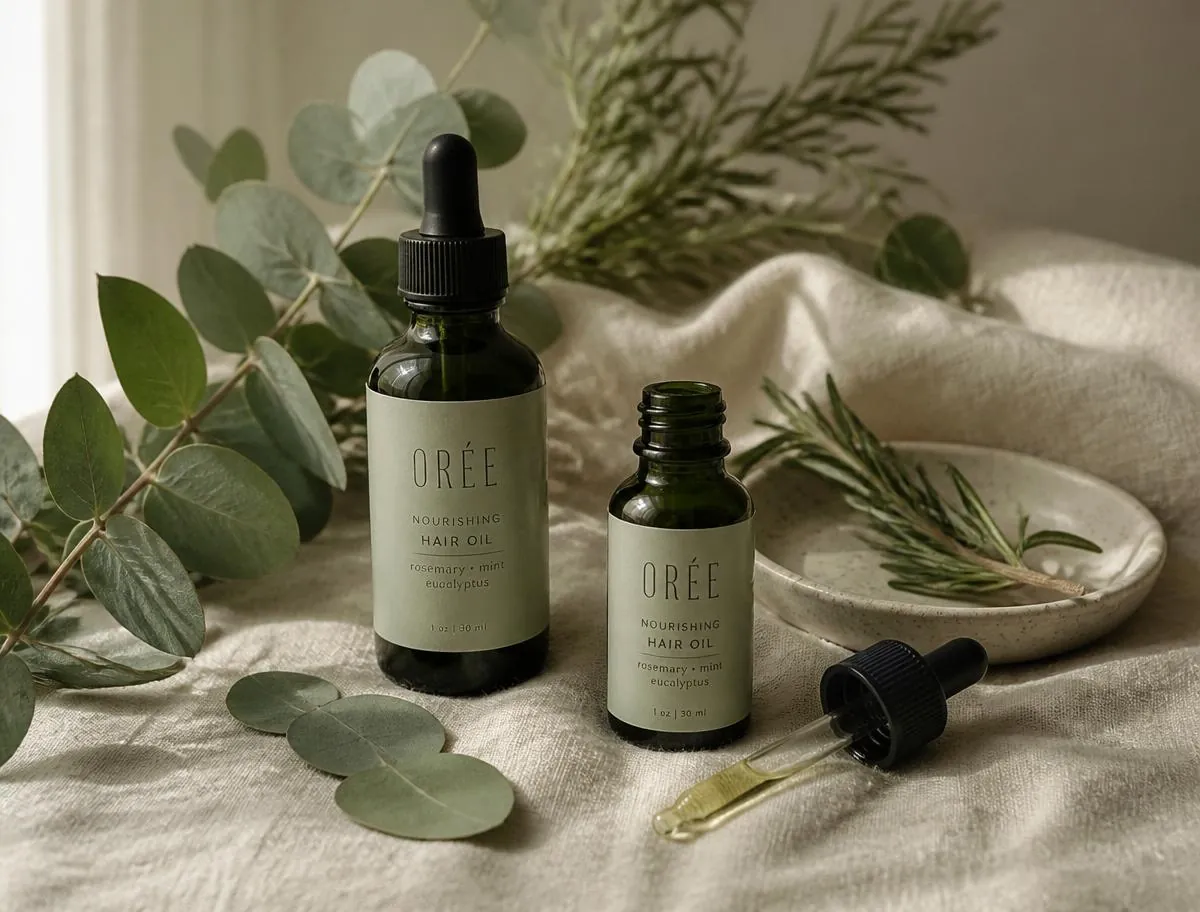
- Botanical oils like rosemary, amla and bhringraj are not miracle regrowth agents, but they improve scalp circulation, reduce breakage and make hair fall look and feel less alarming.
- Biotin and other supplements only move the needle if a blood test shows you are actually deficient, which is common in Pakistani women with heavy periods or restrictive diets.
- Diffuse shedding after fever, delivery, crash dieting or stress (telogen effluvium) usually resolves on its own in 3 to 6 months without aggressive treatment.
- Sudden patchy bald spots, scarring, or pain on the scalp need a dermatologist, not a shopping list.
If you have typed "hair fall treatment" into Google at 1am while running your fingers through your hairbrush counting strands, you already know the problem. Pakistan's hair care market is flooded with promises: oils that claim to regrow hair in 30 days, shampoos that say they will "stop hair fall 100 percent," tablets from pharmacies in Karachi's Tariq Road that swear by ayurvedic secrets. Some of it works a little. Most of it is marketing built on a real, understandable fear.
I have spent years formulating botanical hair oils and talking to customers who have tried everything, so let me be blunt from the start: there is no single treatment that stops all hair fall for everyone, because hair fall itself is not one condition. It is a symptom with several different causes, and the right treatment depends entirely on which cause is driving yours. This guide walks through the treatments actually available in Pakistan today, what the evidence says about each, what they cost, and how long you should expect to wait before judging whether something is working.
Why hair actually falls out
Before comparing treatments, it helps to know roughly which bucket your hair fall sits in, because a treatment for one type does very little for another. Androgenetic alopecia, commonly called male or female pattern hair loss, is genetic and hormone-driven; it shows up as gradual thinning at the crown or a receding hairline in men, and diffuse thinning at the part line in women. Telogen effluvium is a stress response where a large batch of hair follicles get pushed into the shedding phase at once, usually two to three months after a trigger like fever, surgery, childbirth, crash dieting or a major shock. Then there are scalp-driven causes such as dandruff, seborrheic dermatitis, or fungal infections that irritate follicles and cause shedding as a side effect.
There is also nutritional hair fall, tied to iron deficiency, thyroid problems, low vitamin D or protein deficiency, which is common in Pakistani women who menstruate heavily, follow restrictive diets, or have undiagnosed thyroid issues. And finally there is traction and mechanical hair fall, caused by tight braids, hot tools, harsh brushing, or over-processing with chemical dyes and relaxers. Most people are dealing with some mix of two or three of these at once, which is exactly why a single bottle rarely fixes everything.
When to see a dermatologist
If you notice sudden patchy bald spots, scarring, redness, pain, or hair fall that comes with itching and flaking that will not clear up, book a dermatologist rather than trying more products. A simple blood panel (ferritin, thyroid, vitamin D, B12) and a scalp exam rules out the causes that oils and shampoos cannot fix.
Minoxidil: the most studied treatment, with a catch
Minoxidil is a topical solution or foam, sold in Pakistan under names like Minoxil, Tugain and Mintop, in 2 percent and 5 percent strengths. It was originally a blood pressure medication and researchers noticed hair growth as a side effect, which led to decades of trials since the 1980s. It works by extending the growth phase of hair follicles and increasing blood flow to the scalp, though the exact mechanism is still not fully understood even after all this research.
The evidence here is genuinely strong compared to almost anything else on this list. Multiple randomized controlled trials, including long-running ones summarized in dermatology journals through the 2000s and 2010s, show that 5 percent minoxidil produces visible regrowth in a meaningful percentage of users, both men and women, typically within 4 to 6 months of twice-daily use. The catch, and it is a big one, is that minoxidil only works while you keep using it. Stop, and any hair gained sheds within a few months as the follicles revert to their previous cycle. It is maintenance, not a cure.
A 60ml bottle of 5 percent minoxidil costs roughly Rs. 1,200 to Rs. 2,000 at pharmacies across Lahore, Karachi and Islamabad, lasting about a month with twice-daily use, so budget Rs. 15,000 to Rs. 24,000 a year if you commit. Side effects can include scalp irritation, unwanted facial hair in some women, and an initial shedding phase in the first 4 to 8 weeks that scares people into quitting right when it starts working. Talk to a pharmacist or dermatologist before starting, especially if you have heart issues, since it was originally a blood pressure drug.
Ketoconazole shampoo: cheap, underrated, situational
Ketoconazole 2 percent shampoo, sold as Nizoral or generic equivalents in Pakistani pharmacies for around Rs. 800 to Rs. 1,500 a bottle, is an antifungal that treats dandruff and seborrheic dermatitis. Its relevance to hair fall is indirect but real: a small but frequently cited 1998 study and later smaller trials found that ketoconazole shampoo used two to three times a week had a mild anti-androgenic effect on the scalp and improved hair density in men with pattern hair loss, in some cases performing comparably to lower-dose minoxidil over several months, though the trial sizes were small and results should not be overstated.
Where this shampoo genuinely earns its place is when dandruff, oily scalp buildup or fungal irritation is part of your hair fall picture, which is extremely common in Pakistan's humid coastal cities like Karachi and in the sweat and pollution of Lahore summers. Clearing that irritation calms the shedding that comes with it. It is not a standalone cure for genetic hair loss, but as a twice-weekly addition to a routine it is one of the best value-for-money products on pharmacy shelves.
PRP: promising, expensive, inconsistent
Platelet-rich plasma therapy involves drawing your own blood, spinning it in a centrifuge to concentrate the platelets, and injecting that plasma into the scalp to (in theory) stimulate follicles with growth factors. It is offered at dermatology clinics in DHA Karachi, Gulberg Lahore and F-6 Islamabad, usually in a course of 4 to 6 sessions spaced a month apart, followed by maintenance sessions every 6 to 12 months.
The evidence is mixed but not nothing. A number of small studies through the 2010s, including trials published in dermatology and cosmetic surgery journals, report improved hair density and thickness in androgenetic alopecia patients after PRP courses, though sample sizes are usually under 50 people, protocols vary a lot between clinics, and there is no strong standardization of how the plasma is prepared, which makes results hard to compare across clinics. It seems to work better as an add-on to minoxidil or finasteride than as a solo treatment.
Cost is the real barrier: expect Rs. 8,000 to Rs. 25,000 per session in Pakistan depending on the city and clinic reputation, meaning a full course can run Rs. 40,000 to Rs. 100,000 plus before you see whether it worked for you specifically. It is a reasonable option for people who have the budget and have already tried the cheaper, better-evidenced options, but it is not where I would tell someone to start.
Botanical hair oils: what they can and cannot do
This is the category Dermyra sits in, so let me be as honest as I would want someone to be with me. Botanical oils, rosemary, amla, bhringraj, black seed and similar traditional ingredients, are not going to regrow hair on a bald crown the way minoxidil can, and any oil brand claiming that is lying to you. What the actual evidence supports is more modest and still worthwhile.
Rosemary oil has the most interesting research among botanicals: a 2015 trial published in SKINmed compared rosemary oil against 2 percent minoxidil over six months and found comparable improvement in hair count, with less scalp itching in the rosemary group. It is a single study, not a mountain of evidence, but it is a real randomized trial, not folklore, and it is why rosemary shows up as the lead ingredient in most botanical formulations now, including ours. Amla (Indian gooseberry) is rich in vitamin C and antioxidants and has traditional use across South Asia for scalp health, with smaller lab studies suggesting it may reduce protein loss from hair shafts, though large human trials are limited. Bhringraj has centuries of Ayurvedic use for hair density and a handful of small animal studies showing follicle stimulation, but robust human clinical trials are still lacking.
What botanical oils reliably do, based on both formulation chemistry and consistent user experience, is condition the hair shaft, reduce friction-driven breakage, calm an irritated or dry scalp, and improve the scalp environment through massage and increased local circulation. For someone dealing with telogen effluvium after a stressful year, postpartum shedding, or hair that looks thin because it is breaking rather than falling from the root, that combination genuinely helps and is often underestimated. Massage alone, independent of what oil you use, has shown in a small 2016 Japanese study to increase hair thickness over time through mechanical stimulation of the scalp.
A 100ml bottle of a quality botanical hair oil in Pakistan runs Rs. 1,500 to Rs. 3,500 depending on the brand and ingredient sourcing, lasting one to two months with regular use two to three times a week. That is a fraction of the cost of PRP and roughly comparable to a year of minoxidil, but it is solving a different problem: scalp health, breakage and shedding management rather than reversing pattern baldness.
Supplements: only useful if you are actually deficient
Biotin, hair-skin-nails multivitamins, marine collagen and similar supplements are heavily marketed on Daraz and in pharmacies, often with before-and-after photos that mean very little without context. The honest picture from research through the 2010s is that biotin supplementation only measurably improves hair growth in people who are actually biotin deficient, which is uncommon in people eating a normal varied diet. For someone who is not deficient, extra biotin does not appear to do much beyond what your body already has.
Where supplements do matter is when a blood test shows a real deficiency, and this is common enough in Pakistan to take seriously: low ferritin (iron stores) from heavy periods or low meat intake, vitamin D deficiency from limited sun exposure especially among women who cover up or work indoors, and undiagnosed thyroid issues, particularly hypothyroidism, which slows hair growth cycles. Correcting an actual deficiency through a doctor-guided supplement plan can meaningfully improve shedding within 3 to 6 months. Taking biotin gummies without ever getting tested is mostly hope dressed up as a routine, and costs Rs. 2,000 to Rs. 5,000 a month for a benefit that may not exist for you personally.
Hair fall treatments compared
| Treatment | Typical cost (PKR) | Evidence level | Realistic timeline |
|---|---|---|---|
| Minoxidil 5% (topical) | Rs. 1,200-2,000/month | Strong (multiple RCTs) | 4-6 months for visible regrowth, must continue indefinitely |
| Ketoconazole 2% shampoo | Rs. 800-1,500/bottle (lasts ~1-2 months) | Moderate, situational (best with dandruff/scalp issues) | 6-8 weeks to see reduced shedding if scalp-driven |
| PRP therapy | Rs. 8,000-25,000 per session, 4-6 sessions | Mixed, promising but small studies | 3-4 months after full course, needs maintenance sessions |
| Botanical hair oils (rosemary, amla, bhringraj) | Rs. 1,500-3,500 per 100ml (1-2 months) | Emerging for rosemary, traditional/limited for others | 8-12 weeks for reduced breakage and scalp comfort; not for pattern baldness reversal |
| Biotin/multivitamin supplements | Rs. 2,000-5,000/month | Weak unless deficient | 3-6 months, only if an actual deficiency is confirmed |
Building a routine instead of chasing a single product
The people I see get the best results are not the ones who find one miracle product, they are the ones who stack a small number of evidence-based habits and stay consistent for months, not weeks. That usually looks like getting an actual diagnosis first, especially for anyone whose shedding has lasted more than three months or come on suddenly, then addressing scalp health with a suitable shampoo, adding a botanical oil for conditioning and breakage control two to three times a week, and only adding minoxidil or PRP on top once the basics are handled and if the cause is genetically driven.
Consistency matters more than intensity here. Switching products every three weeks because you do not see instant results is the single most common reason people conclude "nothing works for my hair" when in reality they never gave any one approach the 8 to 12 weeks it typically needs to show a measurable difference, since the hair growth cycle itself moves slowly.
Before you spend money on any hair fall treatment
- Get a blood test for ferritin, thyroid (TSH) and vitamin D if shedding has lasted more than 8-12 weeks
- Note whether shedding is diffuse (all over) or patchy, since patchy needs a dermatologist, not a shopping list
- Check your scalp for flaking, redness or itching before assuming it is purely hair fall
- Pick one or two treatments to trial for a full 12 weeks before switching, rather than rotating products weekly
- Reduce mechanical stress: tight hairstyles, daily heat styling, and rough towel-drying all add to shedding
- Track with monthly photos in the same lighting rather than relying on memory, since progress is easy to miss day to day
- Budget realistically: cheaper options like ketoconazole shampoo and botanical oils are worth trying before expensive procedures
What botanical oils are genuinely good for
- Reducing breakage and split ends so hair looks and feels thicker
- Calming a dry, flaky or irritated scalp with regular massage
- Supporting scalp circulation as part of a broader routine
- Low cost and low risk compared to procedures or long-term medication
- Pleasant, low-commitment habit that is easy to sustain for months
What they will not do
- Reversing genetic pattern baldness on its own
- Producing dramatic regrowth within days or weeks, as some ads claim
- Replacing a medical diagnosis for sudden or patchy hair loss
- Fixing hair fall caused by a real nutritional deficiency or thyroid issue
- Working the same for everyone regardless of underlying cause
Support your scalp while you sort out the root cause
Dermyra Rosemary Hair Growth Oil blends rosemary with amla, bhringraj and 28 botanicals to support scalp circulation and reduce breakage as part of a realistic hair fall routine, not a miracle cure. Use it alongside the diagnostic steps above for the best results.
A note on hair fall in women specifically
Female hair fall gets treated as an afterthought in a lot of guides written for a male pattern baldness audience, but the causes and treatment priorities are often different. Postpartum shedding is extremely common, usually starting around 2 to 4 months after delivery and resolving on its own within 6 to 12 months as hormone levels stabilize; it rarely needs medication, mainly patience and gentle handling. Iron deficiency from heavy periods is a major, under-tested cause of chronic thinning in Pakistani women and is worth ruling out before assuming it is genetic. PCOS-related hair thinning, which follows a male-pattern distribution due to androgen sensitivity, often needs a combined approach involving a gynecologist or endocrinologist alongside topical treatment.
Minoxidil 2 percent is generally considered the safer starting concentration for women, since the 5 percent formula carries a higher chance of unwanted facial hair growth in some users. Anyone pregnant or breastfeeding should avoid minoxidil altogether and stick to gentle, non-medicated routines like scalp massage with a botanical oil until a doctor clears further treatment.
Setting realistic expectations on timelines
One of the biggest reasons people give up on treatments that were actually working is a mismatch between expectation and biology. Hair grows in cycles, and a follicle that just entered its shedding phase will keep shedding for weeks regardless of what you put on it, simply because that hair was already destined to fall before treatment started. This is why almost every legitimate treatment on this list needs 8 to 16 weeks minimum before you can judge it, and often longer for full results. Anyone promising visible thickness in under a month is selling you something that has not been through a real clinical trial.
A practical way to track this without getting discouraged is to compare monthly photos rather than checking your hairbrush daily, since day-to-day shedding numbers swing naturally with washing frequency, weather and stress, and can make an improving situation look unchanged if you are only looking at strand counts.
Common mistakes people make chasing hair fall treatments
- Combining five new products at once, making it impossible to know which one is helping or hurting
- Washing hair less often to "save" it, which usually increases scalp buildup and irritation instead
- Using very hot water, which strips natural oils and can worsen dryness-related breakage
- Assuming an expensive treatment must work better than a cheap one, when the evidence often says otherwise
- Ignoring diet and sleep while spending heavily on topical products
- Stopping minoxidil after the initial shedding phase, right before it typically starts working
Putting it together
If you take one thing from this guide, let it be this: match the treatment to the cause, not to the most convincing advertisement. Minoxidil earns its reputation with real trial data but demands lifelong commitment. Ketoconazole shampoo is a cheap, underrated fix when a scalp condition is part of the picture. PRP has genuine promise but at a price that only makes sense once cheaper options are exhausted. Botanical oils will not undo genetic baldness, but they do real, useful work on scalp health and breakage, and they are a sensible, low-risk place to build a routine around. Supplements are only worth the money if a blood test says you need them.
Start with a routine, not a gamble
Explore the full Dermyra hair oiling routine and pair it with the diagnostic steps in this guide to build a hair fall plan that actually fits your specific cause.
Related reading
Frequently asked questions
What is the fastest hair fall treatment that actually works?
Nothing genuinely fast exists because hair grows in slow cycles. Minoxidil is the most clinically proven option but still takes 4-6 months for visible regrowth. Anything promising results in days is not backed by real trial data, regardless of how it is marketed.
Can hair oil alone stop hair fall completely?
No single oil stops all hair fall, since hair fall has multiple possible causes including genetics, hormones, deficiencies and scalp conditions. Botanical oils like rosemary and amla help reduce breakage and support scalp health, which makes shedding look and feel less severe, but they work best alongside diagnosis and a full routine.
Is minoxidil safe for long-term use in Pakistan's climate?
Yes, for most healthy adults, though the humid climate in cities like Karachi can increase scalp irritation for some users. Using it consistently at the recommended concentration and checking with a pharmacist or dermatologist if you have heart conditions is the safer approach.
How much does PRP hair treatment cost in Pakistan?
Individual sessions typically run Rs. 8,000 to Rs. 25,000 depending on the city and clinic, with a full course of 4-6 sessions costing Rs. 40,000 to Rs. 100,000 or more before maintenance sessions are factored in.
Does ketoconazole shampoo help with hair fall or just dandruff?
It primarily treats dandruff and seborrheic dermatitis, but since scalp irritation and fungal buildup contribute to shedding for many people, clearing that up often reduces hair fall as a side effect. It is not a direct treatment for genetic hair loss on its own.
Should I take biotin supplements for hair fall?
Only if a blood test shows you are actually deficient, which is uncommon with a normal diet. If you are not deficient, extra biotin is unlikely to meaningfully change your hair growth, so it is worth getting tested before spending money on it monthly.
How long should I try a treatment before deciding it does not work?
Give any treatment at least 8-12 weeks, and ideally 12-16 weeks for things like minoxidil or PRP, before judging results. Hair growth cycles move slowly, and switching products every few weeks makes it impossible to know what is actually working.
Is postpartum hair fall something I need to treat aggressively?
Usually not. Postpartum shedding typically starts 2-4 months after delivery and resolves within 6-12 months on its own as hormones stabilize. Gentle handling, a nourishing botanical oil and patience are usually enough unless shedding continues well past a year.
Can stress alone cause noticeable hair fall?
Yes. This is called telogen effluvium, where a stressful event pushes a large number of follicles into the shedding phase at once, usually noticeable 2-3 months after the trigger. It generally resolves within 3-6 months once the underlying stress or health event is resolved.
What should I do first if I am losing more hair than usual?
Track how long it has been happening and whether it is diffuse or patchy, get a basic blood panel for iron, thyroid and vitamin D if it has lasted over 8 weeks, and see a dermatologist promptly if you notice bald patches, scarring or scalp pain rather than starting with over-the-counter products.
The bottom line
Hair fall treatment is not about finding one perfect product, it is about matching the right approach to your actual cause and giving it enough time to work. Minoxidil and ketoconazole shampoo have the strongest evidence for specific situations, PRP is a reasonable but expensive add-on, and botanical oils like rosemary and amla are a low-risk, genuinely useful part of a broader routine, not a standalone cure. Start with a diagnosis, be patient for at least 8 to 12 weeks, and stack habits rather than chasing whatever is trending on Daraz this month.
Choosing the right hair oil in Pakistan
Most of the hair oil in Pakistan sold at general stores is a mineral-oil base with fragrance and colour. It shines the hair, but it cannot reach the shaft, and in hard-water cities it makes buildup worse rather than better.
Dermyra oil takes the opposite approach: cold-pressed carriers, 28 botanicals, nothing synthetic added for shine. Used as a hair fall hair oil it targets the scalp rather than the lengths, and used as a dandruff hair oil it stays light enough to wash out cleanly the same day.
That is the honest test for the best hair oil for your hair: does it wash out fully, does your scalp feel calm the next morning, and can you keep the routine going for a full 8 to 12 week growth cycle. Dermyra hair oil is built to pass all three.
Keep reading
- Rosemary Oil for Hair GrowthThe clinical evidence behind rosemary oil for regrowth and thickness.
- Benefits of Amla for HairHow amla supports scalp health and reduces protein loss.
- Benefits of Bhringraj for Hair GrowthTraditional and emerging evidence for bhringraj oil.
- Hair Oiling Routine GuideHow to build a consistent oiling routine that actually helps.
- Hair Growth MythsCommon hair fall myths debunked with evidence.
- Shop Dermyra Rosemary Hair Growth OilOur rosemary, amla and bhringraj botanical blend.
- Hair Fall Concerns HubExplore more resources on managing hair fall.
One bottle, 28 botanicals
Dermyra Rosemary Hair Growth Oil brings rosemary, amla, bhringraj and black seed together in a cold-pressed base. Made in small batches in Pakistan.
Related guides
Rosemary Oil for Hair Growth: Evidence, Dilution and a Weekly Routine
Rosemary oil has gone from a kitchen herb to the most talked-about natural hair growth ingredient in Pakistan. Here is what the actual research says, how to dilute it safely, and a weekly routine that works.
Hair Growth Myths: 15 Things People Still Believe
Trimming for growth, plucking greys, cold water rinses, 100 brush strokes a day. We separate the hair growth advice that has real evidence from the myths that just will not die.
Best Hair Oil in Pakistan: How to Choose One That Actually Works
From mustard oil in your grandmother's kitchen to rosemary blends sold online, Pakistan's hair oil shelf is crowded and confusing. Here is how to actually compare them.