
Hair concern
Hair fall — what's really going on, and how to slow it naturally
Almost everyone in Pakistan deals with a phase of noticeable hair fall — hard water, heat, stress, harsh shampoos and low-nutrient diets all pile up on the scalp. The good news: most non-genetic shedding responds well to a consistent botanical routine.
Quick answer
For most people, hair fall improves in 8–12 weeks with a mild sulfate-free shampoo, a 2× weekly scalp oil massage using a rosemary + amla + bhringraj blend, and better sleep, iron and protein intake.
Common causes
Nutritional gaps
Low iron, protein, biotin or vitamin D — very common in Pakistan — starve the hair follicle and increase shedding within weeks.
Harsh cleansing
Daily sulfate shampoos strip the scalp barrier, leading to inflammation, dandruff and weaker anchor strength for each strand.
Heat & tight styling
Blow-dryers, tight ponytails and hijab friction on the same spot cause traction hair loss over time.
Stress & sleep
Cortisol spikes push more follicles into the shedding (telogen) phase — you'll notice fall 2–3 months after a stressful period.
Hard water & product build-up
Karachi/Lahore tap water leaves mineral deposits that clog follicles and dull the shaft.
The routine
Step 1 · Weekly (2×)
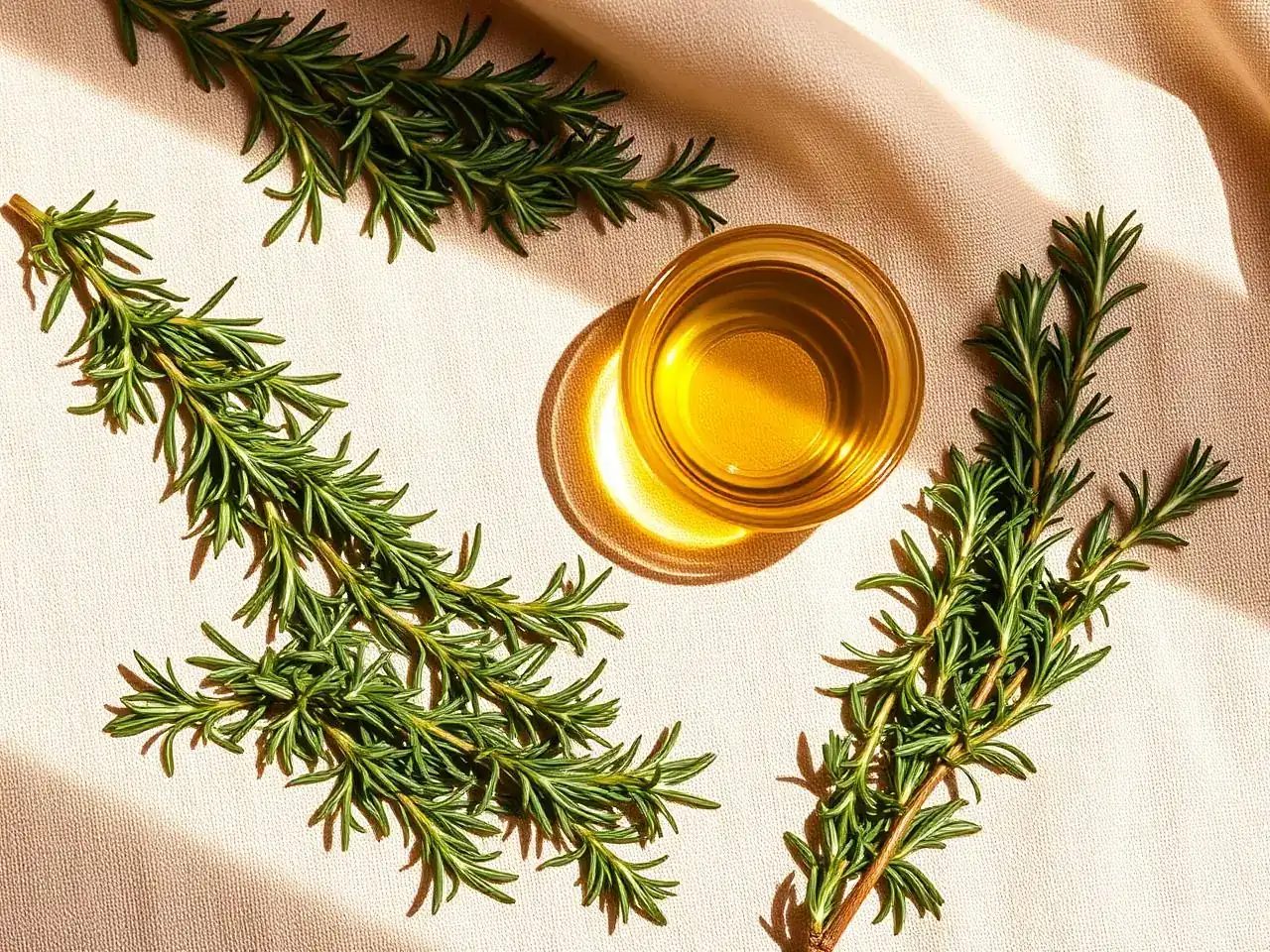
Warm 1 tbsp of Dermyra oil, part hair in sections, massage into scalp with fingertips for 8–10 minutes. Leave for 1–2 hours (or overnight).
Step 2 · Wash day
Rinse with a mild sulfate-free shampoo. Focus lather on scalp, not lengths. Cool final rinse to close cuticles.
Step 3 · Between washes
Skip tight buns. Sleep on a satin/silk pillowcase to reduce friction breakage.
Step 4 · Diet
Add eggs, lentils, spinach and a daily source of vitamin C. Consider a doctor-approved iron test if fall is heavy.
Ingredients that help
How a botanical oil actually helps
Hair fall is rarely a shampoo problem — it's a scalp problem. A well-formulated cold-pressed oil delivers fatty acids and phytonutrients directly to the follicle base, softens the sebum plug, and lifts inflammation that shortens the growth phase.
The massage itself matters as much as the oil: 5–10 minutes of firm fingertip pressure increases blood flow to the scalp, which studies have linked to thicker hair over 24 weeks.
How long until you see results?
Hair grows roughly 1 cm per month, and follicles cycle in phases. Realistic timeline: less shedding at 4–6 weeks, visible baby hairs at 10–12 weeks, noticeable density change at 4–6 months of consistent use.
If shedding suddenly increases after 3+ months of consistency, get a ferritin, TSH and vitamin D blood test — internal issues can't be fixed from the outside.
Mistakes to avoid
- Oiling and then washing the same day — the oil doesn't get time to work.
- Using very hot oil — warm is enough; hot oil damages the scalp barrier.
- Combing wet hair aggressively — wet strands stretch and snap.
- Switching products every 2 weeks — you'll never see if anything actually worked.
Frequently asked questions
How many strands of hair fall per day is normal?
Losing 50–100 hairs a day is normal. Above that, or if you see visible thinning at the parting, it's worth acting on with a routine and a check-up.
Can hair oil really stop hair fall?
A good botanical oil won't fix genetic baldness, but for stress, seasonal, post-illness or nutrition-related fall it can meaningfully reduce shedding within 8–12 weeks when paired with a mild shampoo and better diet.
Is oiling every day bad?
Yes for most scalps — it can trap dust, clog follicles and worsen dandruff. 2× a week is the sweet spot.
Which is better for hair fall — rosemary or amla oil?
Both work on different pathways. Rosemary boosts circulation; amla strengthens the shaft. Dermyra combines them with bhringraj and 25 other botanicals so you don't have to choose.