
Ayurvedic
Amla
Phyllanthus emblica
Ayurveda's answer to weak, brittle and prematurely greying hair.
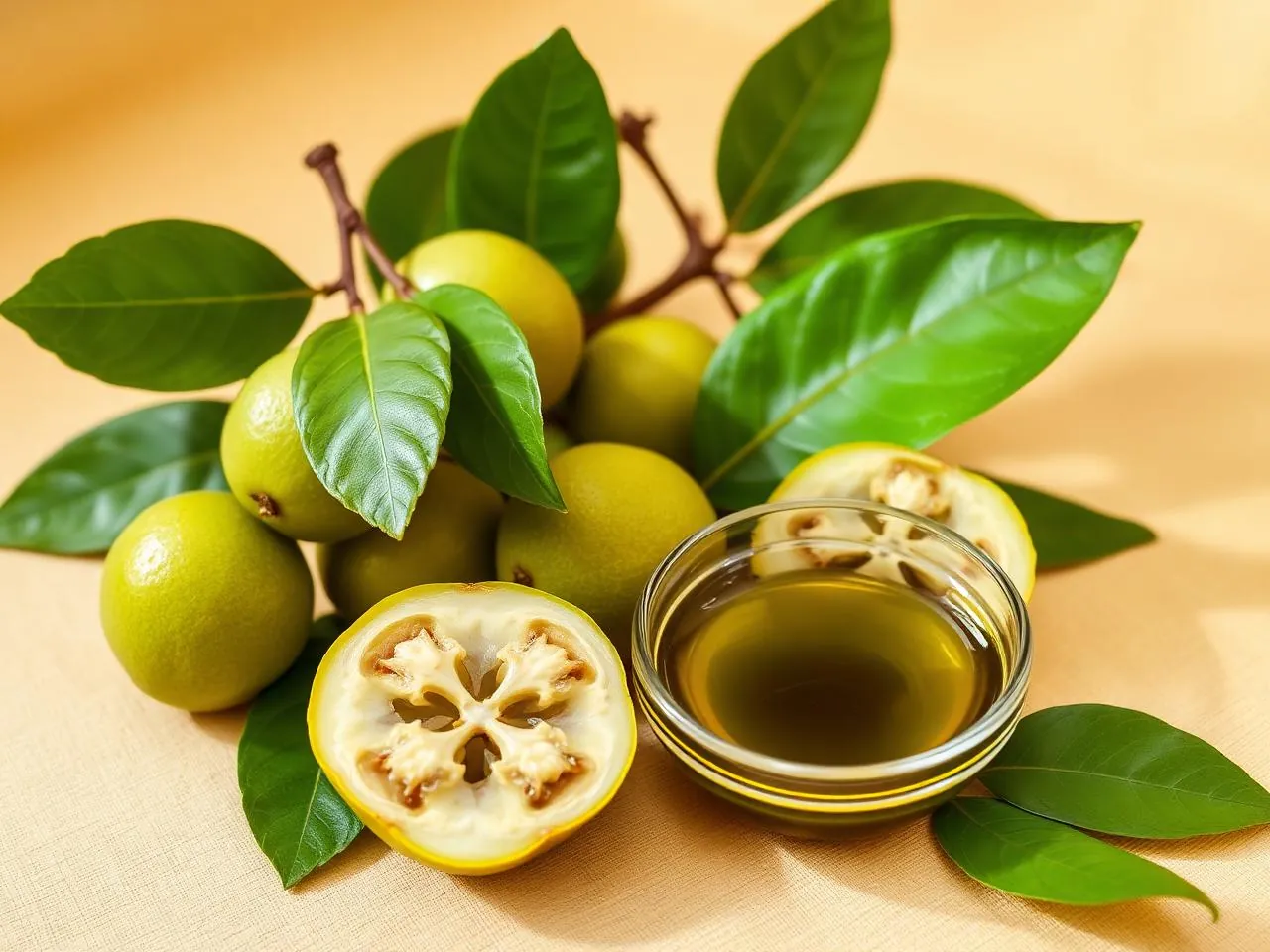
Amla (Phyllanthus emblica), or Indian gooseberry, is the single most-referenced hair-strengthening ingredient in Ayurveda. Extremely rich in vitamin C, tannins and polyphenols, it's traditionally used to reduce hair fall, prevent premature greying and improve overall shaft strength. Almost every serious hair oil in Pakistan and India — from Dabur Amla to Vatika to premium botanical blends — is built around it.
Key benefits
One of nature's highest vitamin-C sources
Amla contains up to 20x more vitamin C than an orange. Vitamin C is essential for collagen production, which supports the structural strength of the hair shaft.
Reduces breakage and split ends
Amla tannins bond loosely with the keratin in hair, reducing surface friction and helping the shaft resist mechanical breakage from brushing and styling.
May slow premature greying
Ayurvedic tradition and some laboratory work suggest amla's antioxidants help protect the melanocyte cells that produce hair pigment — a common reason it's paired with sesame oil in classic formulas.
Deeply nourishes a dry scalp
When infused in a cold-pressed carrier, amla's fatty acids help condition the scalp and reduce flaking without leaving a heavy residue.
Why amla is the anchor of every classic hair oil
If you ask a South Asian grandmother about hair oil, the answer is almost always the same: amla. It's been used for centuries because it addresses the two things most hair suffers from — weakness and premature greying — at the same time.
Modern analysis has confirmed what tradition assumed: amla is unusually rich in vitamin C, ellagic acid, and gallic acid, all antioxidants that protect the scalp from oxidative stress. It's not a marketing ingredient — it's a nutritional powerhouse.
Dermyra amla vs Dabur Amla vs Vatika
Most mass-market amla oils in Pakistan (Dabur, Vatika, Hemani) are mineral-oil bases with a small percentage of amla extract and added fragrance. They smell strong and coat the hair, but the actual botanical content is minimal.
A modern botanical hair oil dilutes real amla oil in a cold-pressed carrier and combines it with rosemary, bhringraj and black seed — so you get the amla benefit plus the growth-stimulating and anti-inflammatory effects the classic single-ingredient oils miss.
What the science actually shows
In-vitro and animal studies show amla extract promotes hair growth, likely by inhibiting 5-alpha reductase (the same enzyme rosemary affects) and by delivering antioxidants that protect the follicle from oxidative damage.
Human clinical trial data is thinner than for rosemary — most modern evidence for amla is either traditional (Ayurveda) or laboratory. But the safety record is centuries long and the ingredient is essentially food-grade.
How to use
- Warm the botanical oil (with amla infused) between your palms.
- Massage into scalp for 3–5 minutes, then work through the lengths.
- For dry or greying hair, leave on overnight and wash in the morning.
- Use 2–3 times weekly for at least 8 weeks to feel the strength difference.
Pairs well with
Frequently asked questions
Does amla oil reverse grey hair?
It cannot restore pigment to hair that is already grey. But regular amla use is traditionally believed to slow the appearance of new greys by protecting the melanocyte cells in the follicle.
Is Dermyra amla different from Dabur Amla?
Yes. Dabur Amla is a mineral-oil base with amla extract added; Dermyra uses real amla infused in cold-pressed carrier oils alongside rosemary, bhringraj and 25+ other botanicals.
Can I use amla oil daily?
Yes, but 2–3 times a week is usually enough. Daily use is safe but can leave the hair feeling weighed down — start with alternate days and adjust.
Does amla oil work for beard growth?
Yes, it's commonly used to condition beard hair and reduce brittleness. The scalp evidence transfers reasonably to facial hair.