🌿 25% OFFEnds in00d:00h:00m:00s

The botanicals behind Dermyra

Every ingredient in our blend has a role. Here's what each one does, the evidence behind it, and how to use it in your hair-care routine.

Quick answer
Dermyra blends 28 botanicals. Rosemary supports scalp circulation, amla and bhringraj are traditionally used for strength and shedding, neem and black seed help keep flaking in check, and cold pressed coconut, castor and sweet almond oils carry them into the scalp.
Ingredient guide

Every major botanical, explained

What each ingredient is, how it has traditionally been used in Pakistan and the wider subcontinent, what the evidence actually supports, and the role it plays in our blend.

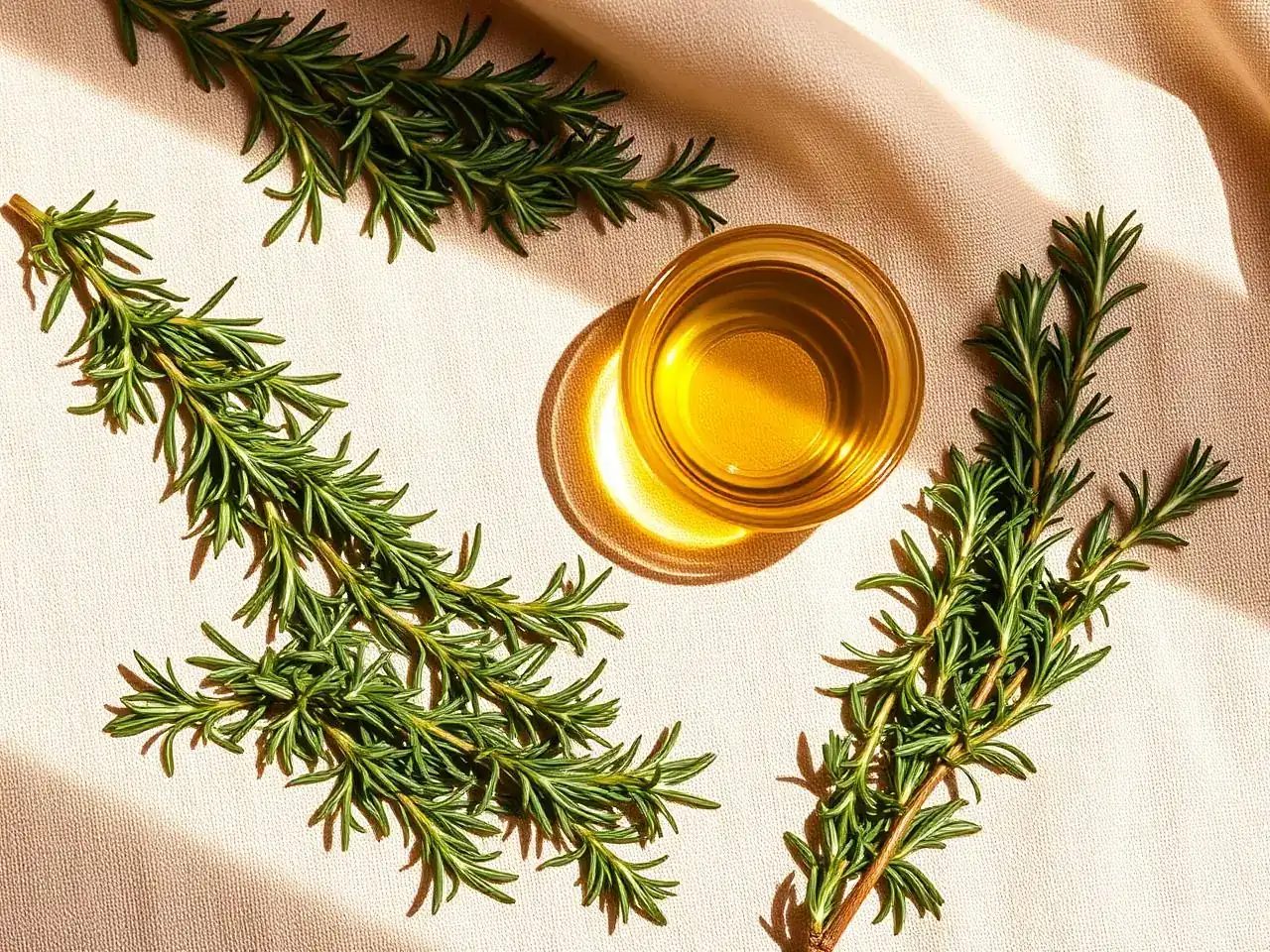
Rosemary

Rosmarinus officinalis

What it is
An aromatic Mediterranean herb whose leaves are steam-distilled into an essential oil rich in 1,8-cineole and carnosic acid.
Traditional use
Used across the Mediterranean and Middle East for centuries as a scalp rinse and hair tonic, long before it was studied clinically.
Potential benefits
  • Supports circulation at the scalp surface
  • Helps calm itch and low-grade irritation
  • Commonly used for thinning at the crown and hairline
Hair & scalp suitability
Suits most scalp types when diluted. Very potent undiluted — never apply neat, and avoid during pregnancy without medical advice.
What the evidence says
A 2015 randomised trial in SKINmed Journal compared diluted rosemary oil with 2% minoxidil over six months and reported comparable hair counts, with less scalp itching in the rosemary group. It is one study on a small group, so treat it as promising rather than proven.
How Dermyra uses it
Present as a diluted botanical extract in a cold-pressed carrier base, so it can be massaged in directly without further dilution.
Read the full Rosemary guide

Amla (Indian Gooseberry)

Phyllanthus emblica

What it is
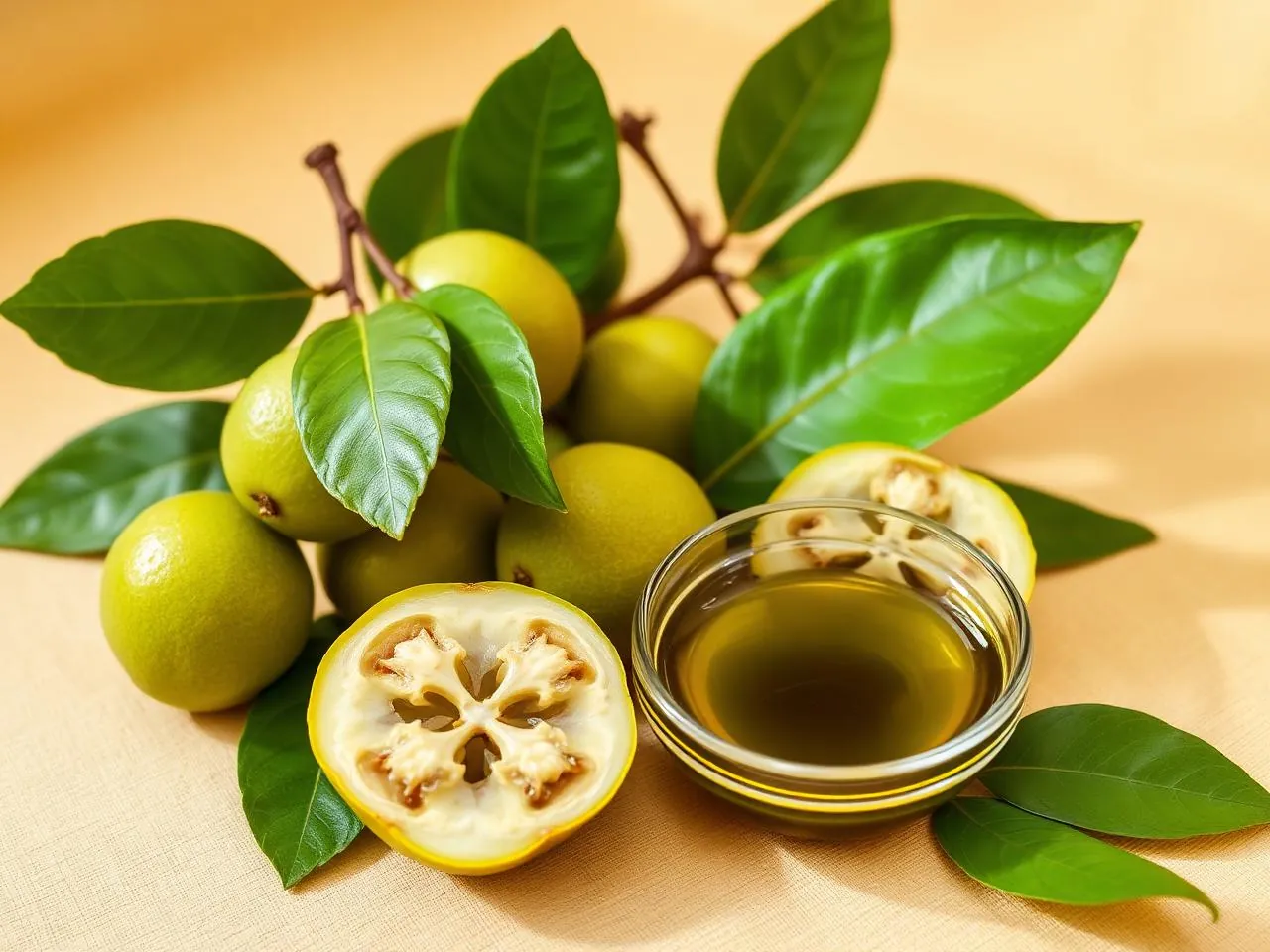
A sour green fruit exceptionally high in vitamin C and polyphenols, traditionally infused into oil rather than distilled.
Traditional use
A cornerstone of Ayurvedic hair care in South Asia for well over a thousand years, used to strengthen roots and delay greying.
Potential benefits
  • Antioxidant support for the follicle environment
  • Traditionally associated with root strength
  • Helps condition dry, brittle lengths
Hair & scalp suitability
Gentle enough for most hair types, including fine hair. Can slightly darken very light hair with repeated use.
What the evidence says
Laboratory studies show amla extract inhibits 5-alpha reductase in vitro and has measurable antioxidant activity. Human hair-growth trials are limited.
How Dermyra uses it
Infused into the carrier oils as a whole-fruit extract, which preserves more of the polyphenol content than heat extraction.
Read the full Amla guide

Bhringraj

Eclipta alba

What it is
A small marshland herb known in Ayurveda as the 'king of hair', usually infused whole into sesame or coconut oil.
Traditional use
Classical Ayurvedic texts list bhringraj as the primary herb for hair fall, premature greying and restless sleep.
Potential benefits
  • Traditionally used to reduce active shedding
  • Associated with a calmer, cooler scalp
  • Often paired with amla for a classical hair formula
Hair & scalp suitability
Well tolerated on all hair types. Its cooling character suits scalps that feel hot, itchy or inflamed.
What the evidence says
Animal studies have shown Eclipta alba extract shortened the time to hair regrowth compared with control groups. Human evidence is largely traditional.
How Dermyra uses it
Slow-infused into the base oils alongside amla, following the classical pairing.
Read the full Bhringraj guide

Black Seed

Nigella sativa

What it is
The small black seed of the Nigella flower, cold-pressed into a peppery, thymoquinone-rich oil.
Traditional use
Widely used across the Muslim world and South Asia as a general tonic; applied to the scalp for flaking and shedding.
Potential benefits
  • Soothing on an irritated or flaking scalp
  • Traditionally used for patchy shedding
  • Adds a light conditioning film to dry hair
Hair & scalp suitability
Suits dry and flake-prone scalps. Its distinctive aroma is noticeable — patch test if you are scent-sensitive.
What the evidence says
Thymoquinone, its main active, shows anti-inflammatory and antimicrobial activity in laboratory work. Hair-specific human trials are small.
How Dermyra uses it
Cold-pressed and blended into the base so its actives are not degraded by heat.

Fenugreek

Trigonella foenum-graecum

What it is
A kitchen seed (methi) rich in proteins, mucilage and saponins that swell into a slippery gel in water.
Traditional use
A household hair remedy across Pakistan and India — soaked overnight, ground into a paste or infused into oil.
Potential benefits
  • Mucilage adds slip and reduces breakage while combing
  • Traditionally used for dandruff and dryness
  • Protein content supports the feel of weakened strands
Hair & scalp suitability
Good for dry, coarse or frizz-prone hair. Very fine hair may prefer shorter leave-on times.
What the evidence says
A small human study on a fenugreek seed extract reported improvement in self-assessed hair volume. Evidence overall remains preliminary.
How Dermyra uses it
Infused as whole seed into the carrier base rather than added as a powder, so nothing grits on the scalp.

Neem

Azadirachta indica

What it is
The leaf and seed of the neem tree, bitter and strongly antimicrobial, native to the subcontinent.
Traditional use
Used for centuries in Pakistan and India for scalp hygiene — neem water rinses, neem leaf pastes and neem oil.
Potential benefits
  • Helps keep flaking and scalp build-up in check
  • Traditionally used against dandruff-linked yeast
  • Supports a cleaner scalp between washes
Hair & scalp suitability
Best for oily, flaky or itch-prone scalps. Its odour is strong, so it is used in modest proportion.
What the evidence says
Neem extracts show antifungal activity against Malassezia species in laboratory testing — the yeast associated with dandruff.
How Dermyra uses it
Used in a low proportion as a scalp-hygiene botanical rather than a headline ingredient.

Coconut

Cocos nucifera

What it is
A cold-pressed carrier oil dominated by lauric acid, a fatty acid with an unusually small molecular size.
Traditional use
The default hair oil across South Asia for generations, applied before washing and left overnight.
Potential benefits
  • One of the few oils shown to reduce protein loss from hair
  • Softens dry lengths and eases detangling
  • Carries other botanicals into the scalp
Hair & scalp suitability
Suits most hair types. Some low-porosity or protein-sensitive hair prefers it on the lengths rather than the scalp.
What the evidence says
Published work in the Journal of Cosmetic Science found coconut oil reduced protein loss in both damaged and undamaged hair, where mineral and sunflower oils did not.
How Dermyra uses it
Forms part of the cold-pressed carrier base that all the herbs are infused into.

Castor

Ricinus communis

What it is
A thick, sticky oil pressed from castor beans, roughly 90% ricinoleic acid.
Traditional use
A long-standing remedy for thinning edges, sparse brows and lash care across South Asia and West Africa.
Potential benefits
  • Coats and seals the strand, reducing moisture loss
  • Traditionally used on thinning edges and hairline
  • Adds visible shine to dull hair
Hair & scalp suitability
Heavy on its own — best diluted. Fine hair should use small amounts; thick or coily hair tolerates more.
What the evidence says
Ricinoleic acid has documented anti-inflammatory activity. Direct clinical evidence for hair growth is limited, and heavy undiluted use has been linked to matting in rare cases.
How Dermyra uses it
Included at a diluted proportion so the blend stays light enough to massage in and rinse out cleanly.

Sweet Almond

Prunus dulcis

What it is
A light, nearly odourless carrier oil pressed from sweet almond kernels, high in oleic acid and vitamin E.
Traditional use
Used in Unani and Ayurvedic practice as a cooling, nourishing oil for scalp and skin.
Potential benefits
  • Lightweight conditioning without heaviness
  • Naturally rich in vitamin E
  • Helps the blend spread evenly during massage
Hair & scalp suitability
Suits fine and normal hair particularly well. Avoid if you have a tree nut allergy.
What the evidence says
Well documented as an emollient in dermatology literature; hair-growth-specific evidence is limited.
How Dermyra uses it
Used to lighten the carrier base so the oil absorbs during massage rather than sitting on top.

Aloe Vera

Aloe barbadensis

What it is
The clear inner gel of the aloe leaf, containing polysaccharides, enzymes and trace minerals.
Traditional use
Applied fresh from the plant across Pakistan for sunburn, itch and scalp irritation.
Potential benefits
  • Soothing on a tight or irritated scalp
  • Adds lightweight hydration
  • Traditionally used alongside oil for flaking
Hair & scalp suitability
Suits sensitive and itch-prone scalps. Very well tolerated.
What the evidence says
Aloe's anti-inflammatory and wound-soothing effects on skin are documented in dermatology literature. Hair-growth claims are not well supported.
How Dermyra uses it
Used as a soothing infusion, balancing the more stimulating botanicals in the blend.

Onion

Allium cepa

What it is
Onion extract, valued for its sulphur compounds and quercetin content rather than its juice's aroma.
Traditional use
A well-known home remedy for patchy hair loss across Pakistan and India — raw juice applied to the scalp.
Potential benefits
  • Sulphur is a structural component of keratin
  • Traditionally used for patchy shedding
  • Associated with a stimulated scalp feel
Hair & scalp suitability
Generally well tolerated in extract form. Neat onion juice can sting broken skin — extract avoids this.
What the evidence says
A 2002 study in the Journal of Dermatology reported regrowth in alopecia areata patients using crude onion juice versus tap water. It is a small, older study.
How Dermyra uses it
Included as a deodorised extract, so you get the sulphur compounds without the kitchen smell.

Curry Leaves

Murraya koenigii

What it is
Aromatic leaves rich in beta-carotene, amino acids and antioxidants, usually fried into coconut oil.
Traditional use
A classic South Indian hair oil ingredient, traditionally credited with delaying greying.
Potential benefits
  • Antioxidant support for the scalp
  • Traditionally used for premature greying
  • Adds conditioning to dry lengths
Hair & scalp suitability
Suits all hair types; particularly popular with people concerned about early greys.
What the evidence says
Antioxidant activity is well documented in food-science literature. Anti-greying claims remain traditional rather than clinically established.
How Dermyra uses it
Infused whole into the warm carrier base, the traditional way.

Vitamin E

Tocopherol

What it is
A fat-soluble antioxidant, used both as a scalp nutrient and as a natural stabiliser for plant oils.
Traditional use
Widely used in modern cosmetic formulation; not a traditional botanical but a functional addition.
Potential benefits
  • Protects the oil blend from going rancid
  • Antioxidant support at the scalp
  • Improves the feel of dry ends
Hair & scalp suitability
Suits all hair and scalp types at cosmetic concentrations.
What the evidence says
A small 2010 trial on tocotrienol supplementation reported increased hair count over eight months. That was an oral supplement, not a topical oil.
How Dermyra uses it
Included at a low, functional level — it keeps the cold-pressed oils fresh without preservatives.

Clove

Syzygium aromaticum

What it is
Dried flower buds high in eugenol, giving a warm aroma and a mild tingling sensation.
Traditional use
Used in Unani medicine for its warming, circulation-stimulating character.
Potential benefits
  • Warming sensation associated with scalp stimulation
  • Naturally antimicrobial
  • Traditionally paired with heavier oils
Hair & scalp suitability
Used sparingly. Sensitive scalps should patch test first, as eugenol can irritate at higher concentrations.
What the evidence says
Eugenol's antimicrobial and analgesic properties are well documented. Hair-growth evidence specifically is minimal.
How Dermyra uses it
Present in a very small proportion — enough for its aromatic and antimicrobial role, not enough to sting.

Shikakai

Senegalia rugata

What it is
A saponin-rich pod, literally 'fruit for hair', traditionally used as a gentle natural cleanser.
Traditional use
Ground into a powder and used across the subcontinent as a pre-shampoo wash long before commercial shampoo existed.
Potential benefits
  • Mild natural cleansing without stripping
  • Traditionally used to keep the scalp clear
  • Leaves hair easy to detangle
Hair & scalp suitability
Suits scalps that build up quickly. Naturally low pH, so it is gentle on colour-treated hair.
What the evidence says
Saponin content and mild surfactant behaviour are chemically well established; controlled hair studies are scarce.
How Dermyra uses it
Infused into the oil for its conditioning fraction — the blend is an oil, not a cleanser.

Bael

Aegle marmelos

What it is
The fruit and leaf of the wood-apple tree, rich in mucilage and tannins.
Traditional use
A respected Ayurvedic plant used for digestion and, applied topically, for scalp conditions and dryness.
Potential benefits
  • Mucilage adds slip and softness
  • Traditionally used for a dry, tight scalp
  • Mild astringent action
Hair & scalp suitability
Gentle and suited to dry or normal scalps.
What the evidence says
Antimicrobial and antioxidant properties are documented in phytochemistry literature. Hair-specific research is minimal.
How Dermyra uses it
A supporting botanical in the infusion, contributing slip and softness.

Sourcing & processing

Sourcing
Herbs sourced from growers in Punjab and Sindh, with rosemary and clove imported where local supply is inconsistent.
Processing method
Cold-pressed carrier oils, slow herbal infusion. No heat extraction, no solvents.
Botanical origin
Predominantly Pakistan and the wider subcontinent; Mediterranean origin for rosemary.
Batch size
Handcrafted in small batches so stock turns over quickly and oils stay fresh.
Preservation
Naturally stabilised with vitamin E. No parabens, silicones or synthetic fragrance.

References

Botanical research is still developing. Nothing here is medical advice — see a dermatologist for sudden, patchy or painful hair loss.