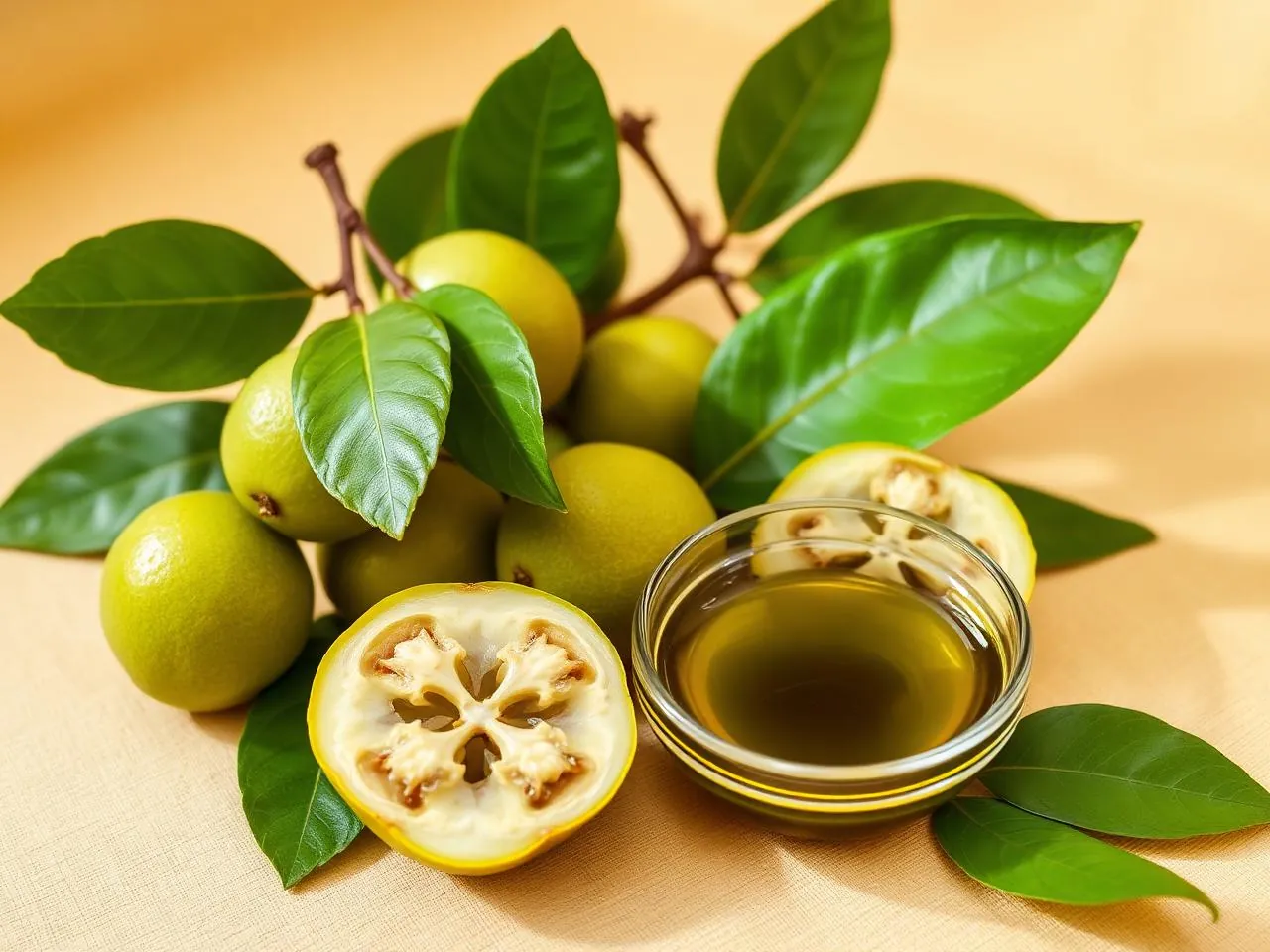
Onion Oil for Hair Growth: Benefits, Side Effects, and How to Use
If you have shopped for hair care in Pakistan in the last two years, you have seen onion everywhere. onion oil, onion shampoo, onion masks, onion serums. Brands like Saeed Ghani, WOW and Mamaearth built entire ranges around it, and the search volume for 'onion oil for hair growth' keeps climbing. But how much of it is real, and how much is marketing? This guide breaks down what onion oil actually does for hair, the side effects nobody talks about, how to use it correctly, and where a cold-pressed botanical blend like Dermyra fits in.
What is onion oil?
Onion oil is a carrier oil (usually coconut, sesame or almond) infused with red onion extract or onion juice. The active compounds are sulphur, quercetin and a small amount of natural antioxidants that come from the onion itself. It is these sulphur compounds. the same ones that make you cry when chopping onions. that give the oil its reputation for reducing hair fall and supporting new growth.
Real benefits of onion oil for hair growth
1. Supplies sulphur to the follicle
Keratin. the protein your hair is made of. needs sulphur to form correctly. Diets low in eggs, lentils and cruciferous vegetables leave the follicle short of raw material, and thin, brittle hair is the result. Massaged into the scalp, onion oil delivers a small but usable amount of sulphur directly to the follicle.
2. Improves scalp circulation
Onion extract is mildly warming. When combined with a two-to-three-minute scalp massage, it improves blood flow. the same mechanism behind rosemary oil and mustard oil. Better circulation means more nutrients and oxygen delivered to the follicle.
3. Fights scalp bacteria and dandruff
Onions are naturally antimicrobial. In Pakistan's climate. sweaty summers, dusty air, hard water. the scalp becomes a magnet for bacteria and yeast. Onion oil helps calm that background irritation, which alone can reduce shedding for many people.
4. Small clinical evidence for regrowth
A 2002 study in the Journal of Dermatology found that applying raw onion juice twice a day for six weeks produced hair regrowth in over 80% of participants with patchy alopecia areata. The effect for general hair fall is smaller, but it does exist. especially when onion is combined with other actives like rosemary and bhringraj.
Side effects and things to watch for
- Strong smell. even 'deodorised' onion oils leave a faint scent for a few washes.
- Scalp irritation. the sulphur can burn broken or freshly waxed skin. Always patch-test.
- Allergic reactions. rare, but people allergic to onions or garlic should avoid it.
- Staining. pure onion juice can lightly stain very light hair; oil infusions almost never do.
- Not a miracle. hair fall from stress, PCOS, thyroid or iron deficiency needs medical treatment, not just oil.
How to use onion oil the right way
- Warm a small amount between your palms. never in the microwave.
- Part your hair in rows and apply directly to the scalp, not the lengths.
- Massage with your fingertips for three to five minutes.
- Leave on for at least one hour, or overnight on a towel-covered pillow.
- Wash with a gentle, sulphate-free shampoo. one rinse is usually enough.
- Repeat two to three times per week. Give it a full growth cycle (three months) before judging results.
Onion oil vs a full botanical hair oil
The problem with most onion oils on the Pakistani market is what they are diluted in. cheap refined coconut oil, mineral oil, or synthetic fragrance. You get the sulphur, but you also get build-up, greasiness and often more shedding, not less. A properly formulated botanical hair oil pairs a small amount of onion or sulphur-rich extract with cold-pressed carriers, rosemary, amla, bhringraj and black seed. so every drop is doing something for the scalp.
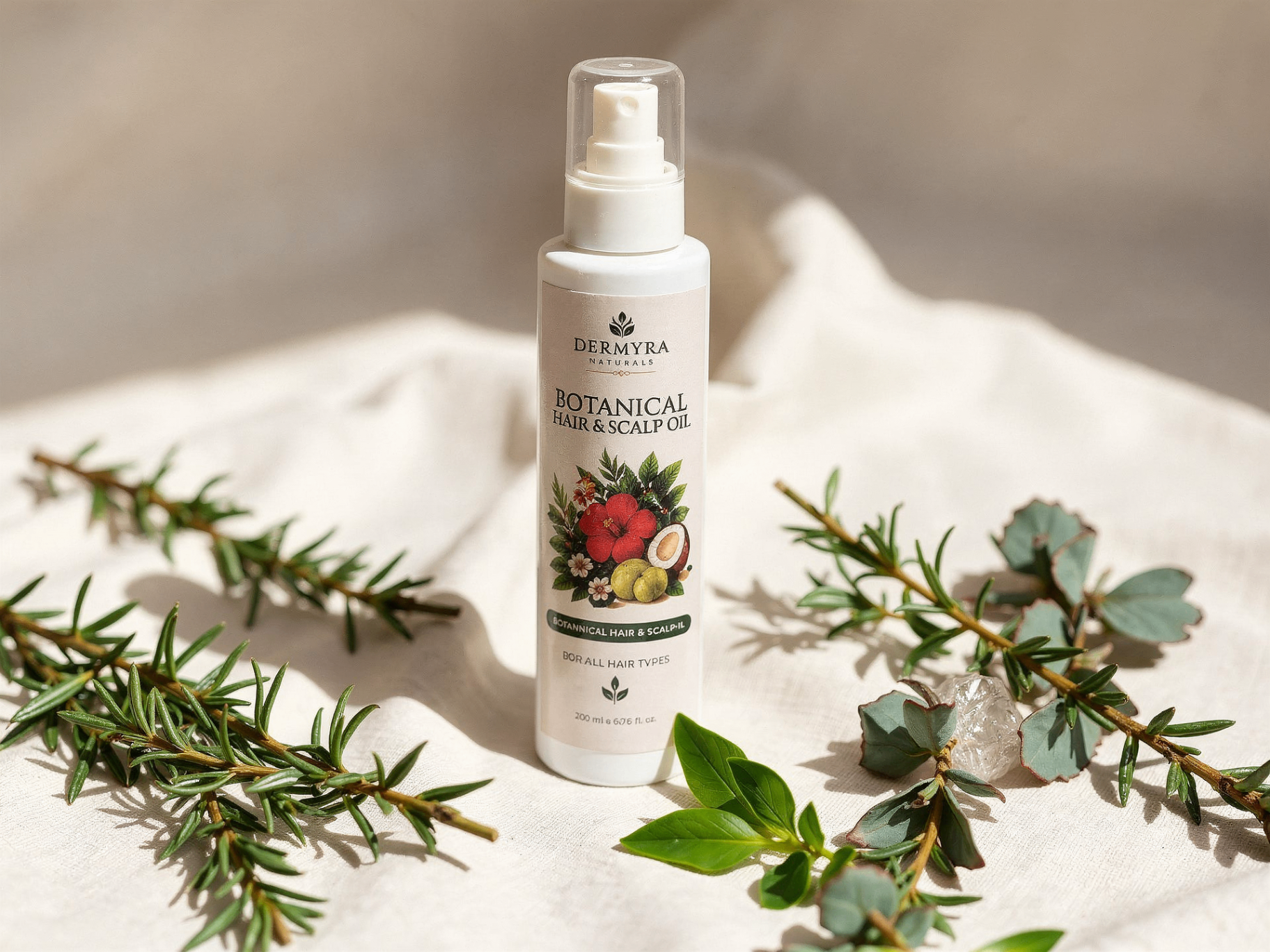
That is exactly the logic behind Dermyra Botanical Hair & Scalp Oil: the benefits people are chasing with onion oil (sulphur, circulation, anti-microbial action) delivered in a cleaner, cold-pressed base with 28 herbs. without the onion smell.
What about onion shampoo?
Onion shampoo has a much shorter contact time than oil. you rinse it out in under two minutes. so the follicle-level effect is minimal. Its real job is to keep the scalp clean between oiling sessions. Pair a mild onion or herbal shampoo with a proper weekly oil massage; that combination beats onion shampoo alone every time.
Conclusion
Onion oil earned its reputation for a reason. sulphur, circulation, antimicrobial action. But you don't have to smell like an onion for weeks to get those benefits. A well-formulated botanical hair oil delivers everything people are chasing with onion, plus rosemary, amla, bhringraj and 25 more herbs, in a single cold-pressed bottle. That is what Dermyra was built for.
Looking for the best hair oil in Pakistan?
The advice in this article is product-neutral, but the results depend on what is in the bottle. Dermyra oil is a cold-pressed botanical blend of 28 herbs including rosemary, amla and bhringraj, with no mineral oil, no synthetic fragrance and no colour added.
People usually come to it for one of two reasons: they want a hair fall hair oil that targets the scalp instead of coating the lengths, or they want a dandruff hair oil that calms flaking without leaving residue behind. The same formula handles both because the base is light and the botanicals are infused rather than sprayed on.
For anyone still deciding which hair oil in Pakistan to buy, that combination — cold-pressed base, real infusions, honest labelling — is the short version of what to look for, and what Dermyra hair oil delivers.
Frequently asked questions
Does onion oil really regrow hair?+
It can support regrowth in cases of patchy alopecia and mild hair fall. one 2002 study showed over 80% of alopecia areata patients regrew hair with onion juice. For general shedding, results are smaller but real when used consistently.
Can I use onion oil every day?+
No. Two to three times a week is enough. Daily oiling in Pakistan's climate creates build-up and sweat-lock, which often makes hair fall worse, not better.
How long does onion oil take to work?+
Give it a full growth cycle. around 12 weeks of consistent use. before you judge results. Hair grows in stages, so real change is visible at three months, not three weeks.
Is onion oil better than rosemary oil?+
They do different things. Rosemary is best for circulation and DHT balance; onion is best for sulphur and antimicrobial support. A blend that includes both. like Dermyra. outperforms either one alone.
Does onion oil have side effects?+
For most people, no. The most common issues are the smell, mild scalp tingling and rare allergic reactions in people sensitive to onions or garlic. Always patch-test first.