Buy Bhringraj Oil in Pakistan: The Real Guide
Search "bhringraj oil price in Pakistan" and you'll get page after page of the same thing: product listings, prices, "buy now" buttons. What you won't find much of is anyone explaining what bhringraj actually is, what it's supposed to do, or how to tell a genuine oil from a diluted one wearing the same label. That's the gap this guide is for.
Bhringraj (Eclipta alba, sometimes sold as "bhangra" or "false daisy" oil) has been used in Ayurvedic hair care for centuries, often called the "king of herbs" for hair. It's also one of the most commonly diluted ingredients on the market. a name recognisable enough to sell, cheap enough to fake.
What bhringraj actually is
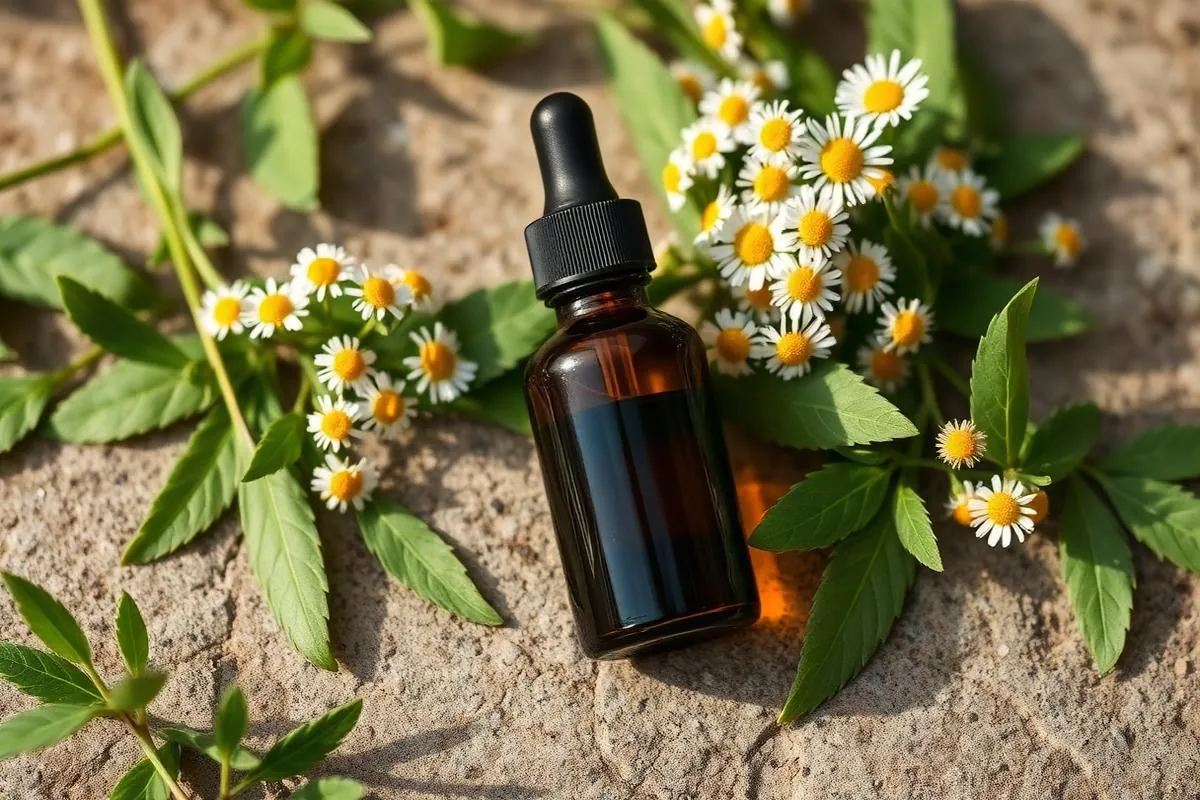
Bhringraj is a small, daisy-like herb traditionally used across South Asia for scalp and hair health. In its proper form, the leaves are cold-pressed or slow-infused into a carrier oil, preserving the plant's natural compounds. the same compounds responsible for its traditional reputation for calming an irritated scalp and supporting hair that's thinning or shedding more than usual.
The problem is that "bhringraj oil" has become a label as much as a formulation. Many bottles sold in Pakistan are a mineral oil or generic carrier oil base with a small amount of bhringraj extract. sometimes heat-processed rather than cold-pressed, sometimes barely present at all beyond what's needed to justify the name on the front of the bottle.
Why real vs. diluted actually matters here
This isn't a small distinction. Bhringraj's traditional benefits. calming scalp irritation, supporting hair strength at the root. come from the plant compounds themselves. A mineral-oil base with a trace of bhringraj extract will still smell faintly herbal and still say "bhringraj" on the label, but it isn't doing the job the name implies. You're paying for the story, not the substance.
This matters more in Pakistan's climate specifically. Long, hot summers mean more scalp sweat and oil buildup; hard water in most cities leaves mineral residue that weighs hair down over time. A genuine bhringraj oil, cold-pressed and properly concentrated, is meant to support the scalp through exactly that kind of stress. A diluted version just sits on top of it, adding a heavier feel without adding much else.
How to tell real bhringraj oil from a diluted one
A few practical checks, beyond just reading the front label:
Check the ingredient list, not the product name
If mineral oil, liquid paraffin, or paraffinum liquidum appears near the top of the ingredients. above bhringraj itself. the name on the bottle is doing more work than the formulation. A genuine oil should list a real carrier oil (sesame, coconut, castor) with bhringraj present in a meaningful concentration, not as an afterthought.
Ask how it's extracted
Cold-pressed or slow-infused bhringraj preserves more of the plant's active compounds than heat-processed extraction, which is faster and cheaper but degrades some of what makes the herb useful in the first place. A brand that's confident in its formulation will tell you which method it uses without hesitation.
Be wary of very low prices relative to "100% pure" claims
Genuine bhringraj. properly sourced and cold-pressed. costs more to produce than a mineral oil base with a dash of extract. A bottle priced far below others claiming the same purity is usually cutting corners somewhere in the process.
Smell and texture
Real bhringraj oil tends to have an earthy, slightly bitter, herbal scent. not a strong synthetic fragrance layered on top. It should also absorb reasonably well rather than sitting heavily on the scalp's surface.
Ignore dramatic claims
Several bhringraj products sold online promise things like reversing premature greying or curing baldness outright. Bhringraj is a supportive, traditional ingredient for scalp and hair health. not a cure for hair loss or a way to reverse grey hair. Claims that strong are a sign of marketing outpacing the actual formulation.
Watch for inconsistent usage advice
It's worth noting that some bhringraj products sold in Pakistan carry warnings against leaving the oil on overnight, citing vague risks like "colds". advice that doesn't appear in traditional or dermatological use of the herb. Confusing or unsourced warnings like this are often a sign of copy written to sound cautious rather than accurate, which says more about the brand's content than the ingredient itself.
How bhringraj compares to amla and rosemary
Bhringraj isn't a replacement for the other botanicals commonly paired with it. each does something different:
- Bhringraj. associated with calming an irritated, sweat-prone scalp and supporting hair that's thinning or shedding.
- Amla. rich in vitamin C, traditionally used to strengthen roots and add shine, particularly useful where hard water has already weakened hair.
- Rosemary. associated with boosting scalp circulation, one of the more commonly cited mechanisms behind "hair growth" oils generally.
Most well-formulated herbal hair oils use these together rather than relying on any single ingredient. which is also why a bottle claiming to be "100% bhringraj" and nothing else is worth a second look. Real formulations are usually blends, not single-ingredient extremes.
How to use bhringraj oil properly
- Warm and apply. Warm a few drops between your palms and apply along the scalp, not just the lengths of the hair.
- Massage gently. Massage in circular motions for 3 to 5 minutes to help circulation and let the oil actually reach the scalp.
- Rest and rinse. Leave overnight or for at least an hour, then wash with your usual shampoo.
Used two to three times a week, most people notice softer, calmer-feeling hair within a couple of weeks, with more noticeable root strength typically taking six to eight weeks of consistent use. a gradual timeline, not an overnight one.
Where this leaves you
"Bhringraj oil" is an easy name to put on a bottle and a harder formulation to actually get right. cold-pressed, properly concentrated, without cutting it with mineral oil to stretch the batch. The name alone tells you nothing; the ingredient list, extraction method, and the brand's willingness to be specific about both tell you most of what you need to know.
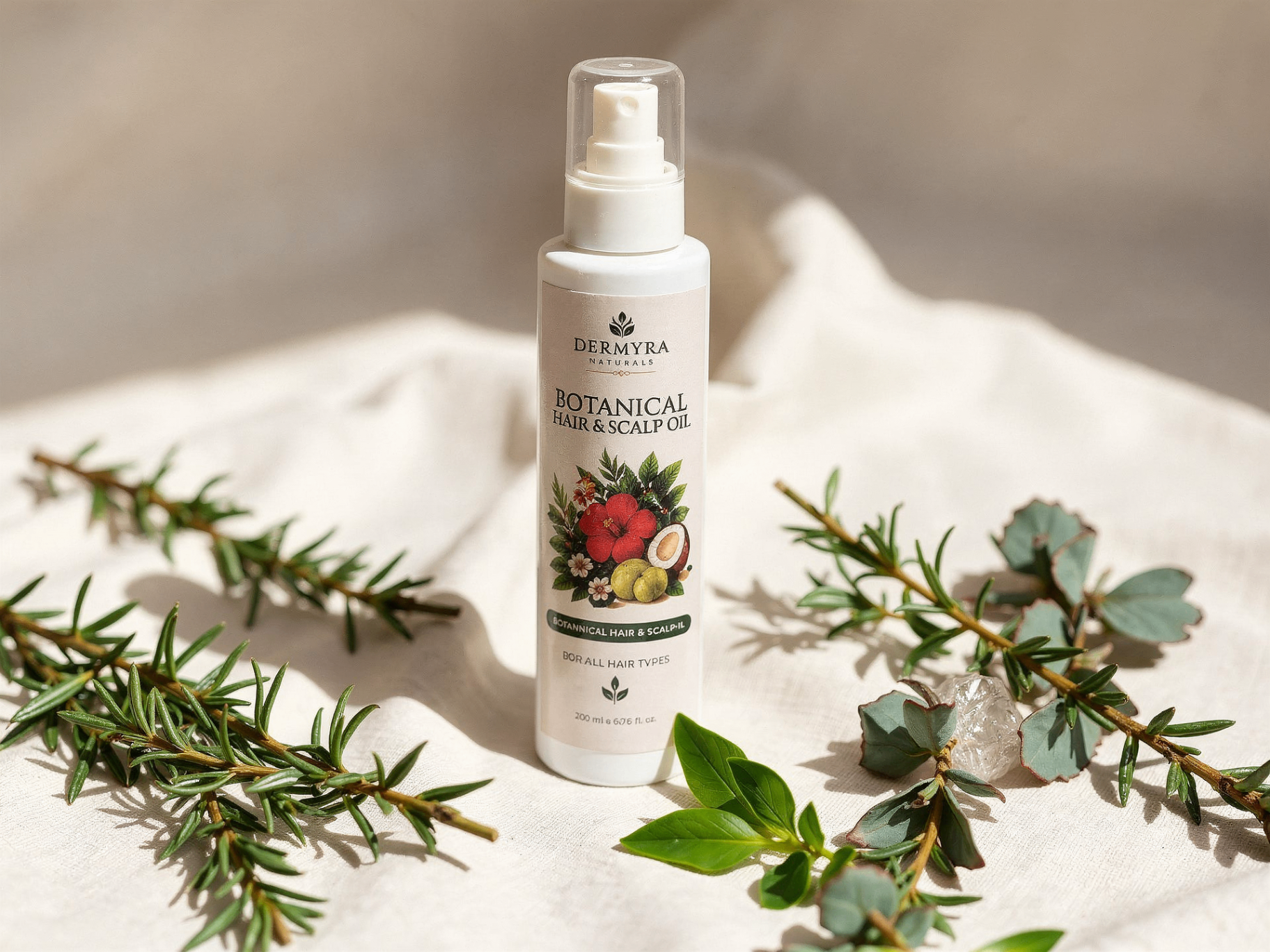
Dermyra's oils are cold-pressed and handcrafted in small batches, with bhringraj, amla, rosemary, and 25+ other botanicals blended at concentrations meant to actually do something. You can see the full ingredient breakdown or browse the collection and apply the same checks from this guide.
Conclusion
Bhringraj deserves its reputation, but the label alone earns you nothing. Read the ingredient list, ask about extraction, and be sceptical of both bargain pricing and dramatic promises. a real cold-pressed blend will hold up to all three questions.
Looking for the best hair oil in Pakistan?
The advice in this article is product-neutral, but the results depend on what is in the bottle. Dermyra oil is a cold-pressed botanical blend of 28 herbs including rosemary, amla and bhringraj, with no mineral oil, no synthetic fragrance and no colour added.
People usually come to it for one of two reasons: they want a hair fall hair oil that targets the scalp instead of coating the lengths, or they want a dandruff hair oil that calms flaking without leaving residue behind. The same formula handles both because the base is light and the botanicals are infused rather than sprayed on.
For anyone still deciding which hair oil in Pakistan to buy, that combination — cold-pressed base, real infusions, honest labelling — is the short version of what to look for, and what Dermyra hair oil delivers.
Frequently asked questions
Does bhringraj oil actually work?+
It can support scalp health and hair strength as part of a consistent routine, but it isn't a cure for hair loss or premature greying, whatever some product listings claim. Consult a dermatologist for significant hair loss.
Is it safe to leave bhringraj oil on overnight?+
Yes. this is standard practice in traditional and most current use. Claims that it causes colds or similar issues aren't supported and appear to be inconsistent marketing copy rather than established guidance. As with any new product, a patch test is sensible if you have sensitive skin.
What's the difference between bhringraj and amla oil?+
Bhringraj is more associated with calming the scalp and supporting hair that's thinning; amla is more associated with root strength and shine. They're commonly used together rather than as alternatives to each other.
How do I know if a bhringraj oil is genuinely pure?+
Check where it sits in the ingredient list relative to any carrier or mineral oil, ask about the extraction method, and be cautious of bottles priced very low relative to their purity claims.
How often should I apply it?+
Two to three times a week, left on for at least an hour or overnight before washing, is the commonly recommended routine.